

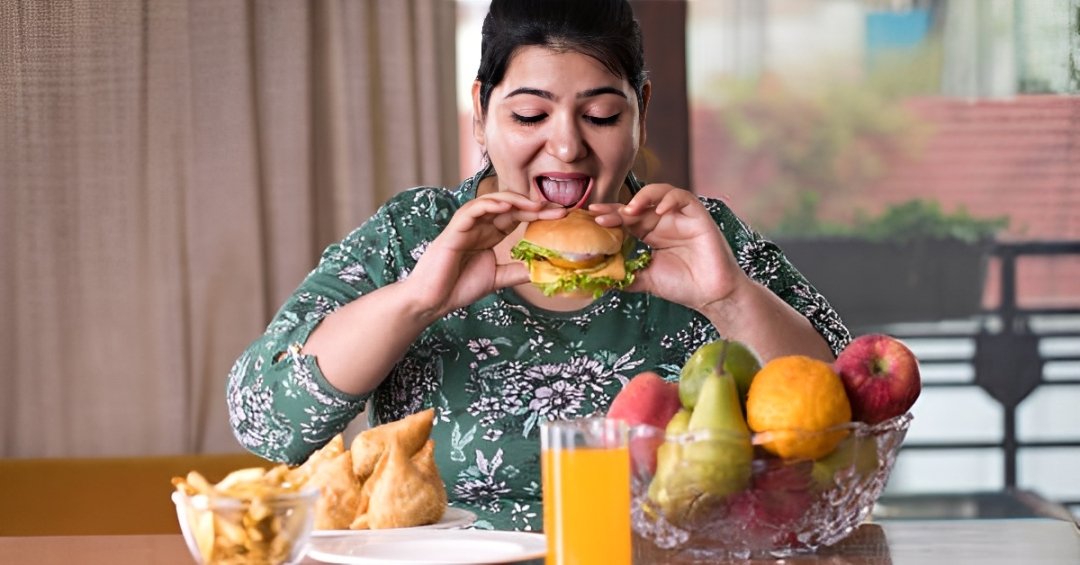

7 Science-Backed Habits to Beat Overeating
Overeating is a common struggle in today’s fast-paced world, where emotional stress, endless food options, and mindless snacking can easily lead to excess calorie intake. While occasional indulgence is harmless, habitual overeating can cause fatigue, bloating, and unwanted weight gain over time.
The good news? You can naturally beat overeating by cultivating a few mindful daily habits that help you stay in tune with your body’s hunger cues and restore balance.

Let us explore 7 simple, science-backed habits that can help you stop overeating without strict diets or guilt-driven restrictions.
1. Start Your Day with a High-Protein Diet

Starting your day with a protein-rich breakfast is one of the simplest and most effective ways to naturally combat overeating. Protein helps balance your hunger hormones, reduces ghrelin (the hunger hormone), and increases leptin (the fullness hormone) — keeping you satisfied for longer. It also stabilizes your energy levels, helping you avoid the mid-morning slump that often drives people to grab snacks mindlessly.
Tip: Add a small portion of healthy fats (such as nuts, seeds, or avocado) to your protein breakfast. This combination slows digestion further and helps you stay full even longer.
2. Check Your Emotional Hunger

Sometimes, what feels like hunger isn’t physical at all — it’s emotional. We often turn to food to comfort stress, boredom, sadness, or anxiety. This kind of emotional hunger can make you overeat even when your body doesn’t truly need fuel.
Unlike physical hunger, which builds gradually and is satisfied with any nourishing food, emotional hunger comes on suddenly and craves specific comfort foods — like sweets, fried snacks, or carbs. It’s the mind’s way of coping with emotions rather than addressing them directly.
How to Beat Emotional Hunger
1. Pause Before You Eat:
When you feel a craving, take a deep breath and ask yourself, “Am I really hungry or just trying to soothe an emotion?”
2. Drink Water:
Sometimes thirst or mild dehydration can mimic hunger. Have a glass of water and wait 10 minutes.
3. Journal or Reflect:
Write down what you’re feeling. Naming emotions helps reduce their power.
4. Find Alternative Comforts:
Replace emotional eating with other soothing activities — like listening to music, taking a walk, meditating, or talking to a friend.
5. Practice Self-Compassion:
Don’t judge yourself for emotional eating. Be kind, and focus on small daily progress.
Tip: Keep a “hunger diary” for one week. Every time you feel like eating, note whether it’s physical or emotional. You’ll quickly notice patterns and learn how to respond better next time.
3. Stay Hydrated Throughout the Day

Dehydration often disguises itself as hunger. Many people end up snacking unnecessarily when their body actually needs water. Keeping yourself hydrated throughout the day can help control false hunger signals and reduce overall calorie intake.
Hydration habits to follow:
- Drink a glass of water before every meal.
- Keep a water bottle handy and sip often.
- Infuse your water with lemon, mint, or cucumber for flavor.
- Limit sugary drinks and sodas that trigger cravings.
According to nutrition experts, drinking water 30 minutes before meals can reduce calorie intake and support digestion, helping you feel fuller with less food.
4. Use Smaller Bowls and Plates
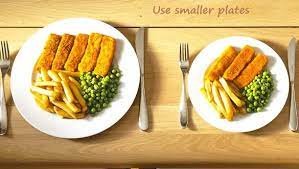
One of the simplest yet most effective tricks to beat overeating is to control portion size visually — and the easiest way to do that is by using smaller bowls and plates.
Our brains rely on visual cues to judge how much we’ve eaten. When you use a large plate, even a normal portion looks small, tempting you to add more food. But when you serve the same portion on a smaller plate, it appears fuller, signaling your brain that you’re eating enough.
This psychological trick is known as the Delboeuf illusion, and studies show that people tend to eat 20–25% less when they use smaller dishware — without even realizing it.
How to practice
- Choose 8–9 inch plates instead of standard 11–12 inch ones.
- Use smaller serving spoons to reduce portions.
- Serve snacks or desserts in mini bowls or ramekins.
- Avoid eating straight from large containers or packets
Tip:
Try plating your meals in the kitchen instead of keeping serving dishes on the table. This reduces the temptation to take more food impulsively.
5. Create a Snack-Free Zone
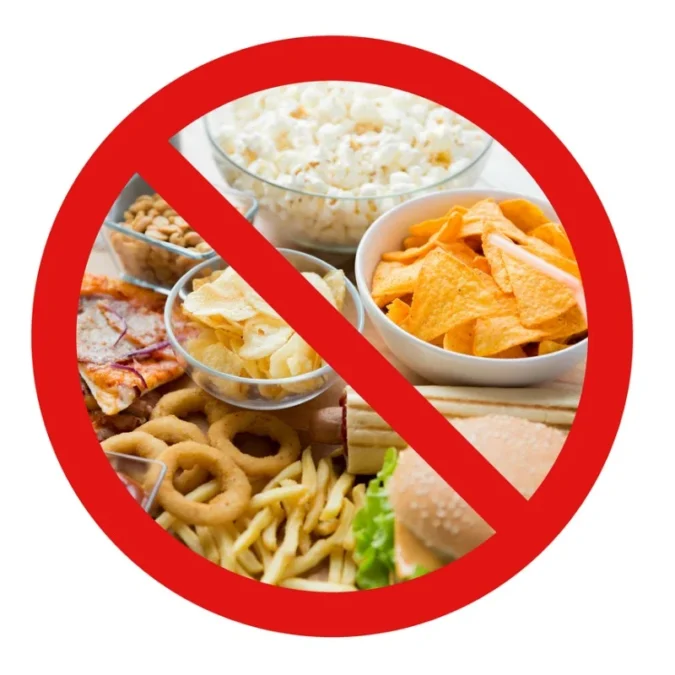
One of the most effective strategies to beat overeating is to create a snack-free zone in your home or workspace. By limiting easy access to food, especially junk food, you can reduce the temptation to eat out of boredom, stress, or habit.
When snacks are within arm’s reach, it’s easy to mindlessly munch while watching TV, working, or chatting with friends. But by setting boundaries for where food is allowed, you give your brain a break and allow yourself to eat more intentionally.
How to Create a Snack-Free Zone:
1. Designate eating areas: Make the kitchen or dining area the only places where food is consumed.
2. Store snacks out of sight: Keep chips, cookies, and other unhealthy snacks in cupboards or locked drawers.
3. Keep counters and desks clear: Don’t keep snack bowls on your coffee table, work desk, or bedside table.
4. Stock the snack-free zone with healthy options: If you do store food in other rooms, keep healthy snacks like fruits, nuts, or protein bars instead of chips,
Tip:
When you want to snack, take a moment to go to the kitchen and enjoy your food there. This small ritual helps reduce emotional eating and encourages mindful, focused eating.
6. Stay Connected to Your Body

One of the most powerful ways to beat overeating naturally is to reconnect with your body. In today’s fast-paced world, we often eat on autopilot — rushing through meals, distracted by screens, or ignoring our body’s real signals. Over time, this disconnect makes it difficult to tell when we’re truly hungry or already full.
Staying connected with your body helps you understand what it really needs — food, rest, water, or simply a mental break. When you tune in, you begin to make conscious food choices instead of emotional or impulsive eating.
How to Reconnect with Your Body:
1. Pause Before You Eat:
Before grabbing food, take a deep breath and ask yourself: Am I physically hungry or just bored, tired, or stressed?
2. Rate Your Hunger:
Use a simple 1–10 scale — eat when your hunger feels around 3–4, and stop when you reach 7–8.
3. Check How Food Makes You Feel:
Notice how different foods affect your energy, mood, and digestion. Your body will guide you toward what truly nourishes it.
4. Eat Without Distractions:
Turn off your phone or TV while eating. Focus on the flavors, textures, and satisfaction your meal brings.
5. Listen to Your Fullness Signals:
It takes about 20 minutes for your brain to register fullness. Eat slowly and give your body time to respond.
Tip:
Practice short mindful breathing or a body scan meditation before meals. It grounds you in the present moment and helps you eat with awareness, not emotion.
7. Get 7–8 Hours of Quality Sleep Every Night

Lack of sleep can wreak havoc on your hunger hormones and self-control. When you don’t get enough rest, your body produces more ghrelin (the hunger hormone) and less leptin (the fullness hormone) — making you hungrier and more likely to overeat.
Poor sleep also reduces willpower and increases cravings for sugary or processed foods.
Tips for better sleep:
- Follow a strict sleep schedule.
- Avoid screens at least 30 minutes before bed.
- Create a calm bedtime routine with dim lights or soft music.
- Limit caffeine and heavy meals before sleeping.
Getting adequate rest helps your body reset, reduces stress, and naturally supports healthy eating patterns.
Overeating doesn’t happen overnight, and neither does breaking the habit. But by making small, intentional changes every day, you can regain control over your eating patterns naturally.
Remember, it’s not about cutting out your favorite foods — it’s about understanding when and why you eat, and developing habits that support balance.
Start by picking one or two of these seven habits today — maybe drinking more water or slowing down your meals — and build gradually. With consistency, your body will naturally adapt, cravings will reduce, and food will once again become a source of energy and joy rather than guilt.
Key Takeaway
Healthy habits are the foundation of mindful eating.
By incorporating protein, hydration, sleep, stress control, and mindfulness into your daily routine, you can beat overeating naturally — without feeling deprived or restricted.


