



Natural Heat Boosters: 8 Foods That Keep You Warm All Winter Long
When temperatures begin to drop and winter sets in, our bodies naturally crave warmth, comfort, and nourishment. While layering up with sweaters and blankets is one way to stay warm, another effective—and healthier—method lies in your kitchen.
Certain foods have a natural “warming effect” on the body, helping boost circulation, raise core temperature, and enhance metabolism. These foods, rooted in Ayurvedic and traditional healing principles, can keep you warm from within while supporting immunity, digestion, and energy levels.
In this article, you’ll discover 8 natural foods that warm your body, why they work, and how you can easily add them to your winter diet.
1. Ginger: Nature’s Most Powerful Warming Superfood
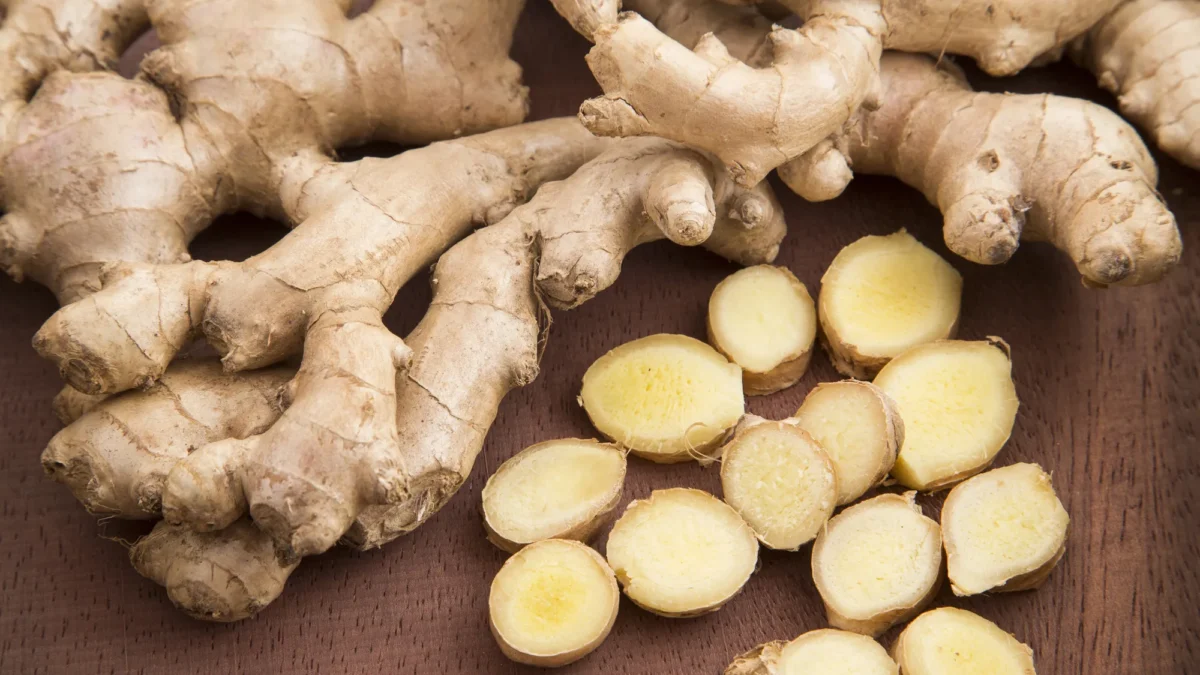
Ginger is one of the most well-known warming foods thanks to its thermogenic properties. It increases blood flow and stimulates metabolism, naturally raising your body temperature.
Gingerol, its active compound, is also packed with anti-inflammatory and antioxidant benefits.
How It Warms the Body
- It boosts thermogenesis (heat production).
- It enhances circulation, especially towards the extremities.
- It helps improve digestion, which generates internal warmth.
- It reduces inflammation, allowing the body to regulate heat better.
How to Consume Ginger in Winter
- Drink ginger tea with honey and lemon.
- Add fresh ginger to soups, dals, or stir-fries.
- Include ginger in morning warm water detox routines.
- Make homemade ginger-turmeric immunity shots.
Ginger is also ideal for people with cold hands and feet, low energy, or sluggish digestion—common issues during winter.
2. Cinnamon: A Sweet Spice That Heats You Up Naturally

Cinnamon is more than just a festive spice. It is a natural bhbody warmer with strong thermogenic properties, helping your metabolism work more efficiently.
In Ayurveda, cinnamon is known as a “warming spice” that balances vata and kapha doshas and improves vitality.
How It Warms the Body
- Cinnamon increases metabolic rate.
- It enhances insulin sensitivity, providing stable energy (which prevents cold-induced fatigue).
- It improves blood circulation.
- It supports digestion, another key factor in maintaining body warmth.
How to Add Cinnamon to Your Diet
- Sprinkle cinnamon powder on oats, smoothies, or yogurt.
- Add a cinnamon stick to your tea or coffee.
- Mix it into warm milk before bed.
- Use it in baking, curries, and desserts.
Just a small pinch can make your winter meals more comforting and aromatic.
You may also like: Green Tea – Health Benefits, Side Effects And Contraindications
3. Nuts & Seeds: Nutrient-Dense Foods That Generate Heat
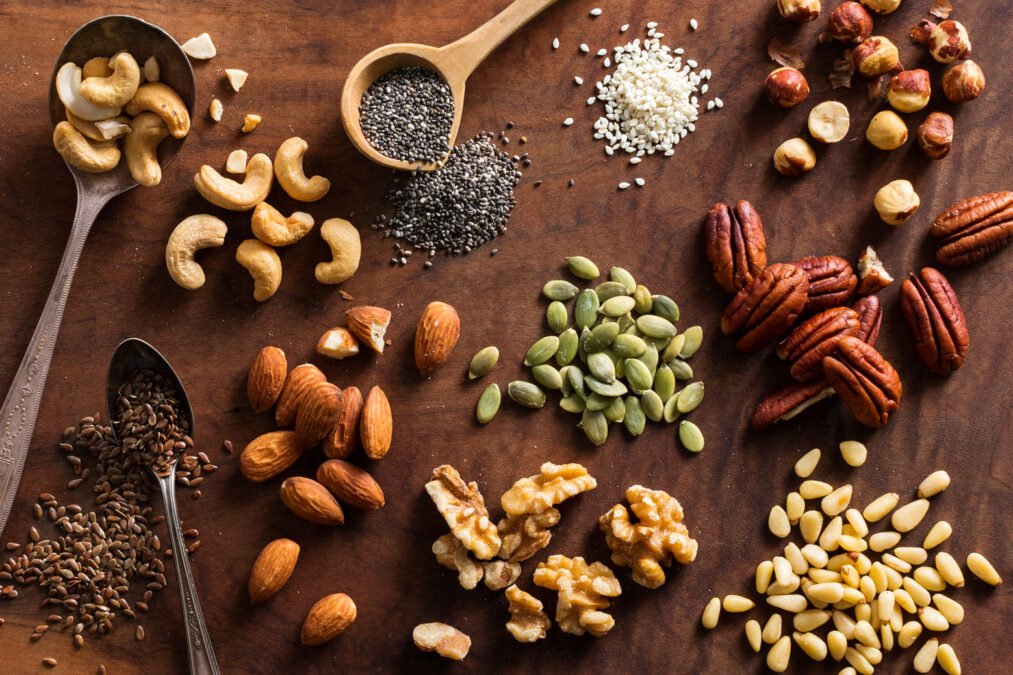
Almonds, walnuts, peanuts, cashews, sesame seeds, and flaxseeds are winter superfoods that pack proteins, healthy fats, vitamins, and minerals.
Their dense nutritional profile helps produce internal heat and keeps energy levels steady throughout the day.
How Nuts & Seeds Warm the Body
- Healthy fats take longer to digest, generating more internal heat.
- They boost metabolism and energy.
- They contain vitamin E, magnesium, and zinc—nutrients that support circulation and warmth.
Sesame seeds in particular are known in Ayurveda for their heating potency.
How to Consume Them in Winter
- Eat a handful of mixed nuts as a daily snack.
- Add seeds to porridges, chutneys, salads, and energy bars.
- Make til ladoos (sesame seed balls) or peanut chikki.
- Use almond or peanut butter on toast.
Nuts and seeds also help strengthen the immune system and keep skin moisturized during the cold season.
4. Jaggery: A Natural Sweetener That Generates Warmth
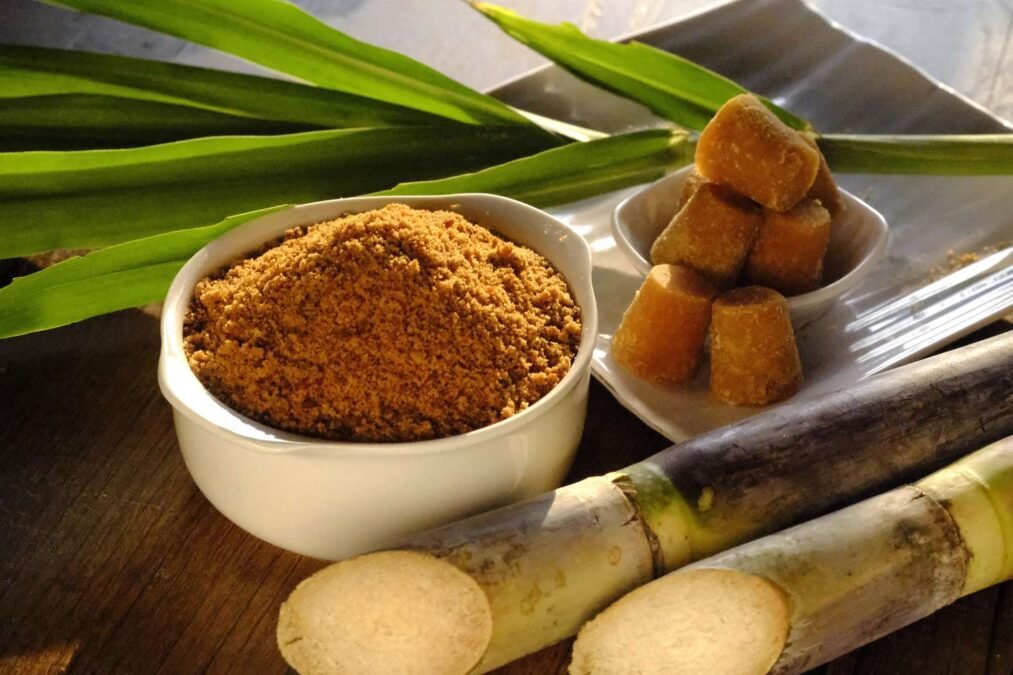
Unlike white sugar, jaggery (gur) is rich in minerals like iron, magnesium, and potassium.
It is widely used in Indian households during winter for its warming effects and digestive benefits.
How Jaggery Warms the Body
- It helps boost metabolism naturally.
- It increases body temperature through heat-producing digestion.
- It improves hemoglobin levels, supporting oxygen flow and warmth.
- It helps detoxify the liver and purify the blood, making the body more efficient.
How to Enjoy Jaggery
- Add a small piece to warm milk or tea.
- Use it in traditional sweets like gur roti or panjiri.
- Replace white sugar in winter desserts.
- Consume a pinch after meals for better digestion.
Remember to consume jaggery in moderation if you are diabetic.
5. Garlic: A Natural Heater With Immune-Boosting Benefits
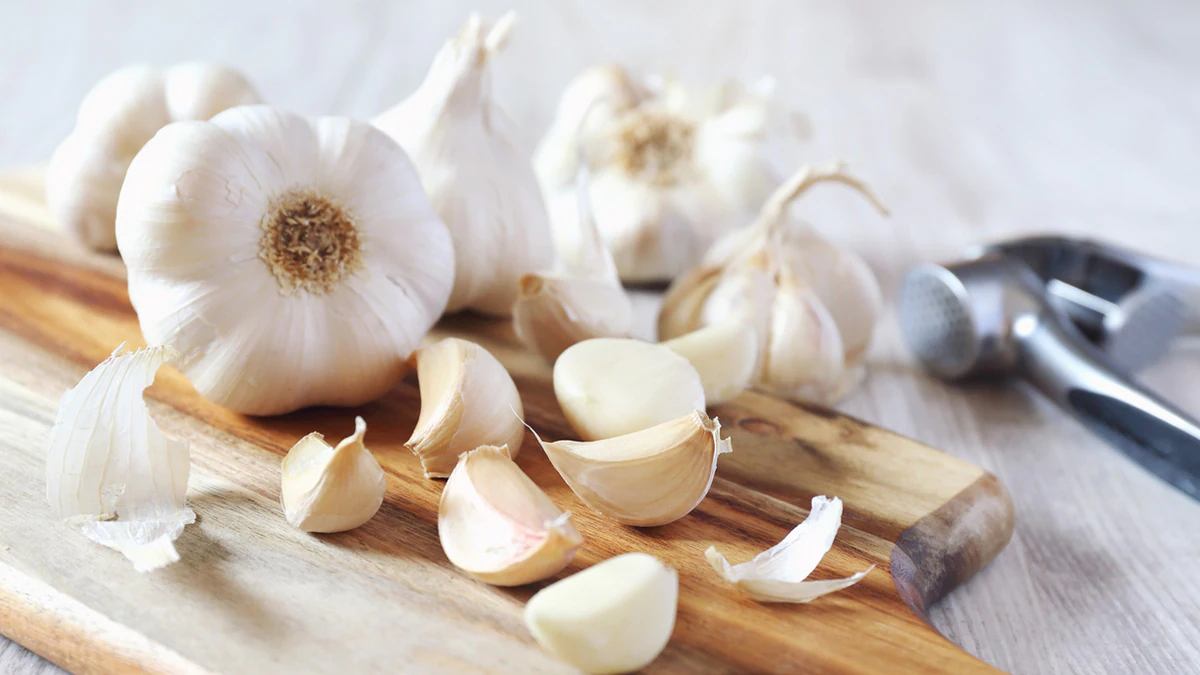
Garlic is another powerful winter food with strong thermogenic and anti-inflammatory effects. It not only warms the body but also strengthens immunity, making it perfect for cold and flu season.
How Garlic Warms the Body
- It contains allicin, which stimulates circulation.
- It reduces inflammation and supports metabolic heat production.
- It boosts energy levels by improving liver function.
- It helps fight infections, indirectly supporting warmth and vitality.
Ways to Add Garlic to Winter Meals
- Add it to soups, curries, and stir-fries.
- Eat roasted garlic cloves for warmth and immunity.
- Mix garlic with ghee and spread on toast.
- Make garlic chutney for a spicy, warming kick.
Garlic is especially useful for people who feel cold easily or have weak immunity.
6. Oats: A Comforting Whole Grain That Generates Slow, Steady Heat
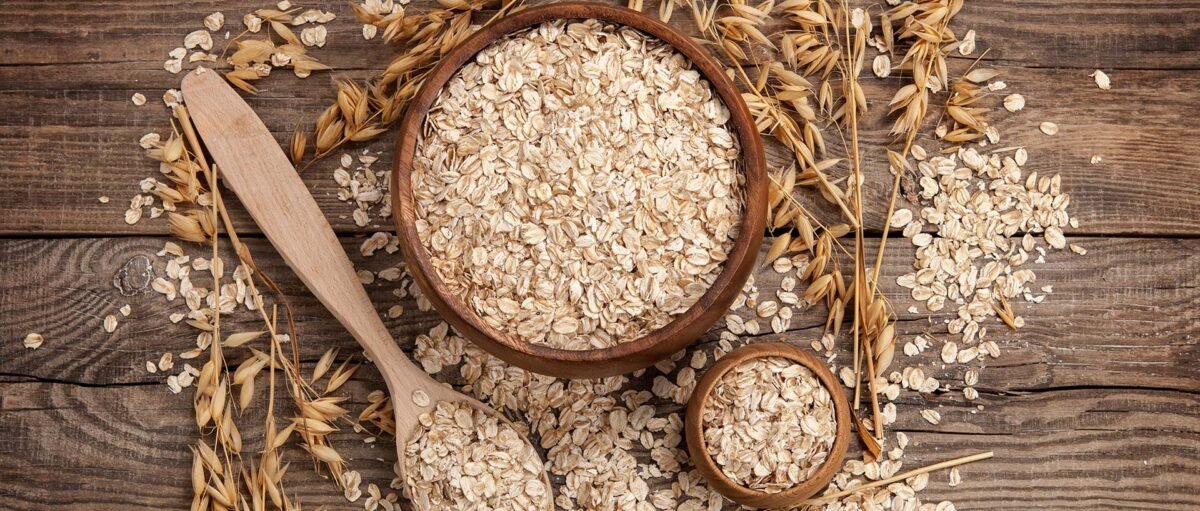
Whole grains like oats are ideal winter foods because they digest slowly and consistently release energy. This steady digestion keeps your body warm for longer durations.
How Oats Warm the Body
- High fiber content improves digestion and gut heat.
- They provide sustained energy, preventing cold-related fatigue.
- They are rich in magnesium, iron, and B-vitamins, which enhance circulation.
- Their warm, porridge-like preparation adds physical warmth.
How to Consume Oats in Winter
- Prepare warm oatmeal with nuts, cinnamon, and honey.
- Make overnight oats (served warm).
- Use oats in healthy winter-friendly pancakes or ladoos.
- Add oats to soups to make them more filling.
Oats are also excellent for skin health, weight management, and maintaining energy levels through chilly days.
7. Dates: A Natural Energy Booster With Warming Qualities

Dates are naturally sweet, rich in iron, potassium, magnesium, and fiber, and considered a powerhouse winter food. They are known for their warming effect and ability to provide quick energy.
How Dates Warm the Body
- They stimulate metabolism due to natural sugars.
- They promote good circulation.
- They improve digestion and gut temperature.
- They enhance iron levels, supporting warmth and vitality.
How to Add Dates to Your Diet
- Eat 2–3 dates as an evening snack.
- Add chopped dates to warm milk.
- Use them in winter desserts, ladoos, and smoothies.
- Pair dates with nuts for an extra warming boost.
Dates are especially good for people with anemia, low energy, or cold intolerance.
8. Ghee: The Golden Fat That Nourishes & Warms

Ghee (clarified butter) is a traditional winter essential in Indian households. This healthy fat not only warms the body but also lubricates joints, boosts digestion, and enhances skin health.
How Ghee Warms the Body
- It contains healthy fats that take longer to metabolize, producing heat.
- It stimulates agni (digestive fire) in Ayurveda.
- It enhances nutrient absorption, making other warming foods more effective.
- It supports brain function and energy, prevents winter fatigue.
How to Use Ghee in Winter
- Add a teaspoon to rice, dal, or roti.
- Mix ghee into warm milk before bed for deep warmth.
- Use ghee to prepare winter sweets such as ladoos and halwa.
- Add a small amount to soups and khichdi.
Ghee is also good for immunity, digestion, and skin hydration during dry winter months.
How Do These Foods Warm Your Body? (The Science Behind It)
- Rich in healthy fats
- Packed with warming spices
- Dense in nutrients
- Complex to digest (generating heat during metabolism)
- Known for improving circulation
They support metabolic rate, energy levels, and internal heat while improving digestion, which plays a major role in maintaining body temperature.
Tips to Maximize Warmth from Food
To get the most warmth during cold months, follow these habits:
- Eat warm meals instead of cold or raw foods.
- Drink hot water throughout the day.
- Avoid iced beverages and cold salads in winter.
- Include warming spices like turmeric, black pepper, cumin, and cloves.
- Prefer cooked meals over smoothies or juices.
- Eat small, frequent meals to maintain steady energy.
These habits ensure your digestion stays strong, which is crucial for generating heat.
Final Thoughts
Staying warm in winter doesn’t just depend on cozy blankets or heaters—what you choose to eat plays a huge role. The 8 natural foods above—ginger, cinnamon, nuts and seeds, jaggery, garlic, oats, dates, and ghee—are nourishing, warming, and packed with essential nutrients. They help boost metabolism, support immunity, enhance digestion, and keep your body warm naturally from within.
By consciously including these foods in your daily winter meals, you can stay energized, comfortable, and healthy all season long.


