



Swap It Right: 8 Health-Conscious Sugar Alternatives to Cut Sugar
In today’s health-conscious world, many individuals are seeking ways to reduce their sugar intake without sacrificing flavor. As the awareness of the negative effects of excessive sugar consumption grows, so does the popularity of sugar alternatives.
From natural sweeteners like honey and maple syrup to artificial options such as aspartame and sucralose, there is a wide range of choices available.
This article explores eight sugar alternatives that can help you cut down on sugar while still enjoying the sweetness in your diet.
What are Sugar Alternatives?
Sugar alternatives come in various forms, and they can be natural or artificial. These substitutes are used to sweeten food and beverages while offering fewer calories or different health benefits compared to traditional sugar.
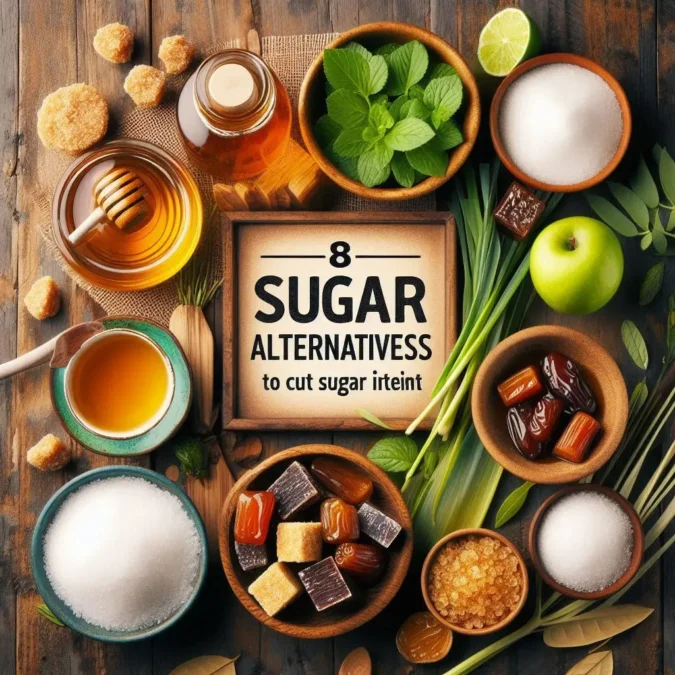
Think of them as your sweet tooth’s backup squad—ready to step in when you want to cut down on the white stuff but still need that sugary satisfaction.
Why Consider Reducing Sugar Intake?
Reducing sugar intake isn’t just about fitting into those skinny jeans; it can have a significant impact on health. High sugar consumption is linked to weight gain, diabetes, and a host of other health issues that can leave you feeling as sluggish as a sloth on a Sunday.
By switching to sugar alternatives, you can enjoy your favorite treats without the guilt trip—or the sugar crash that follow
8 Best Sugar Alternatives to Cut Sugar
1. Jaggery
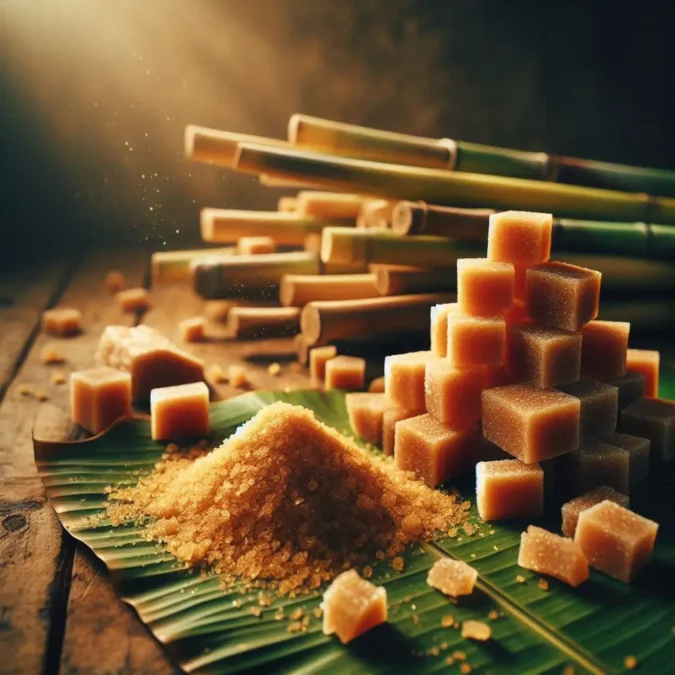
Unlike refined sugar, jaggery (gur) is made from raw, concentrated sugarcane juice or palm sap and retains essential nutrients. It’s often called a “superior sugar substitute” in traditional Indian diets.
Health Benefits
- Rich in minerals: Contains iron, magnesium, potassium, and trace elements.
- Boosts immunity: Known in Ayurveda for purifying blood and strengthening immunity.
- Aids digestion: A small piece after meals helps stimulate digestive enzymes.
How to Use
Use jaggery in place of sugar in chai, sweets, desserts, or Indian recipes. It has a deep, caramel-like flavor and blends beautifully in warm beverages or baked treats.
However, it still contains calories, so use it in moderation if you’re watching weight or blood sugar.
2. Honey

Honey is a golden liquid produced by bees from flower nectar. It’s one of the oldest and most natural sweeteners on earth, praised for its antioxidant, antibacterial, and anti-inflammatory properties.
Health Benefits
- Boosts immunity: Raw honey contains antioxidants and enzymes that support immunity.
- Soothes sore throat: A natural remedy for cough and cold.
- Better digestion: Encourages good gut bacteria and helps relieve constipation.
How to Use
Add honey to herbal teas, oats, smoothies, or drizzle it on pancakes and toast.
Avoid adding it to boiling liquids, as high temperatures can destroy its nutrients. Choose raw or organic honey for maximum benefits.
Note:
Honey still has calories and natural sugars, so people with diabetes should consume it cautiously.
3. Coconut Sugar
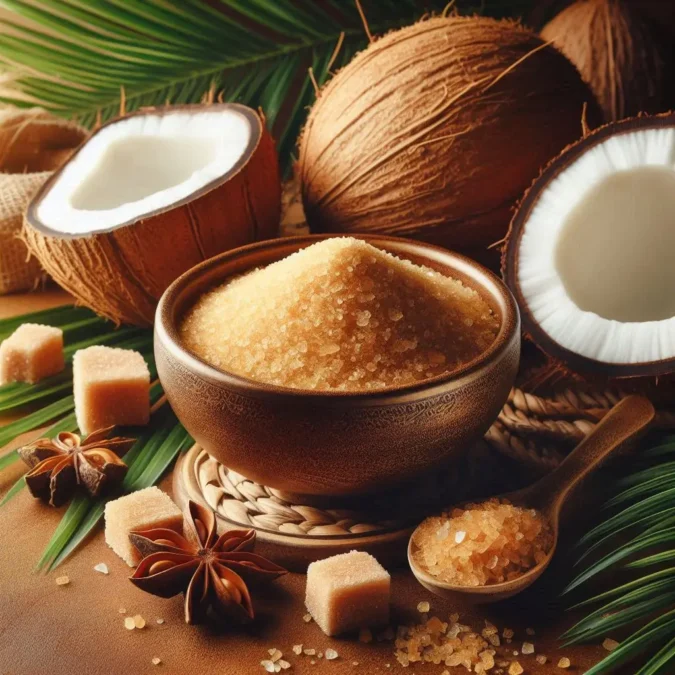
Coconut sugar is made from the sap of coconut palm flowers. It’s less processed than white sugar and retains iron, zinc, calcium, potassium, and small amounts of inulin, a prebiotic fiber that supports gut health.
Health Benefits
- Lower glycemic index (GI): Has a GI of around 35 compared to regular sugar’s 65, meaning it causes slower blood sugar spikes.
- Nutrient-rich: Contains trace minerals and antioxidants.
- Natural flavor: Offers a mild caramel taste, perfect for baking or desserts.
How to use:
You can use coconut sugar in a 1:1 ratio as a replacement for white or brown sugar.
It works well in cookies, cakes, sauces, and coffee. However, it still contains calories, so moderation is key.
4. Dates

Dates are whole fruits from the date palm tree, naturally sweet and nutrient-dense. They’re loaded with fiber, potassium, magnesium, and natural antioxidants, making them one of the best natural sugar alternatives for a wholesome diet.
Health Benefits
- Energy booster: Great for pre-workout snacks or a quick energy fix.
- Rich in fiber: Helps control appetite and promotes digestion.
- Supports heart health: Contains potassium that helps manage blood pressure.
How to Use
Dates can be eaten whole, blended into smoothies, or made into date paste for baking. Replace sugar in desserts, granola bars, or energy balls.
To make date paste, soak pitted dates in warm water and blend — use 1:1 in recipes that call for sugar or syrup.
5. Erythritol – The Sugar Alcohol with Minimal Calories
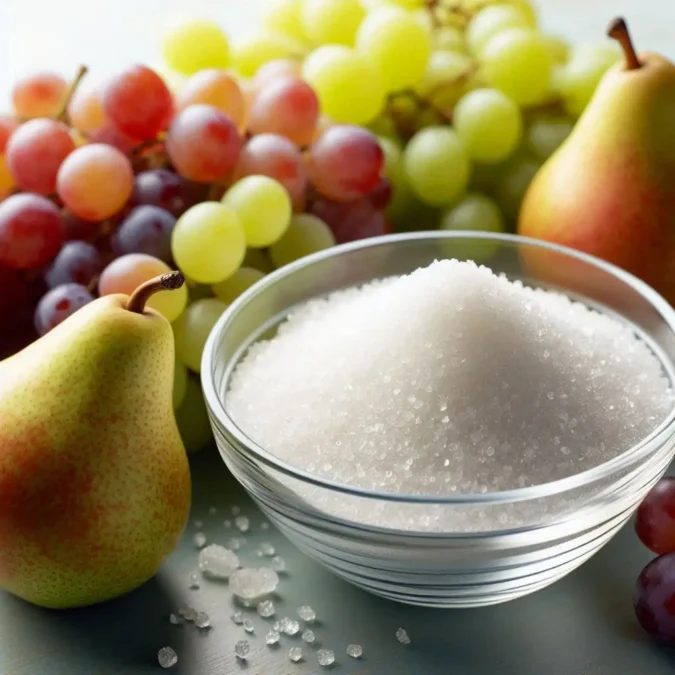
Erythritol is a sugar alcohol found naturally in fruits like pears, grapes, and melons. It’s about 70% as sweet as sugar but contains almost zero calories and doesn’t raise blood sugar or insulin levels.
Health Benefits:
- Low-calorie: Provides sweetness without energy overload.
- Tooth-friendly: Doesn’t promote tooth decay.
- Digestive tolerance: Easier on the stomach compared to other sugar alcohols like xylitol.
How to Use
Erythritol can be used for baking, cooking, and beverages. It has a cooling effect on the tongue, making it refreshing for cold drinks and desserts.
It’s a popular ingredient in keto and low-carb diets.
6. Stevia – The Natural Zero-Calorie Sweetener
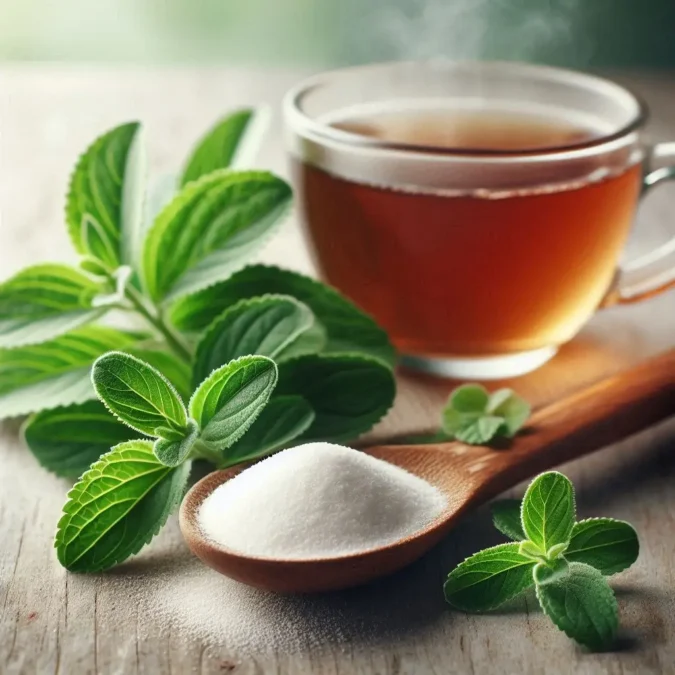
Stevia is one of the most popular natural sweeteners today. Extracted from the leaves of the Stevia rebaudiana plant, it contains compounds called steviol glycosides that are up to 200–300 times sweeter than sugar — but with zero calories.
Health Benefits
- Regulates blood sugar: Stevia doesn’t spike blood glucose, making it ideal for diabetics.
- Supports weight loss: Since it’s calorie-free, it helps reduce overall calorie intake.
- Dental-friendly: Unlike sugar, it doesn’t feed bacteria in the mouth or cause cavities.
How to Use
Stevia is available in liquid drops, powder, or tablets. It can be used in tea, coffee, smoothies, yogurt, and even baking. However, since it’s extremely sweet, use it sparingly. Some people notice a slight licorice-like aftertaste, which can vary by brand.
7. Maple Syrup — The Antioxidant-Rich Sweetener

Pure maple syrup is made from the sap of maple trees and is one of the most natural sugar alternatives available. It’s not just a pancake topping — it’s also a source of antioxidants and minerals.
Health Benefits
- Rich in manganese and zinc: Helps boost energy and strengthen the immune system.
- Contains antioxidants: Offers protection against cell damage.
- Better for blood sugar: Has a lower glycemic index than refined sugar.
How to Use
Use pure maple syrup (not the artificial kind) to sweeten oatmeal, yogurt, granola, or baked goods. Its distinct, earthy flavor pairs beautifully with breakfast recipes and marinades.
Caution:
Though healthier, it still contains natural sugar — so enjoy in small amounts.
8. Monk Fruit Sweetener — The Diabetic-Friendly Sugar Substitute
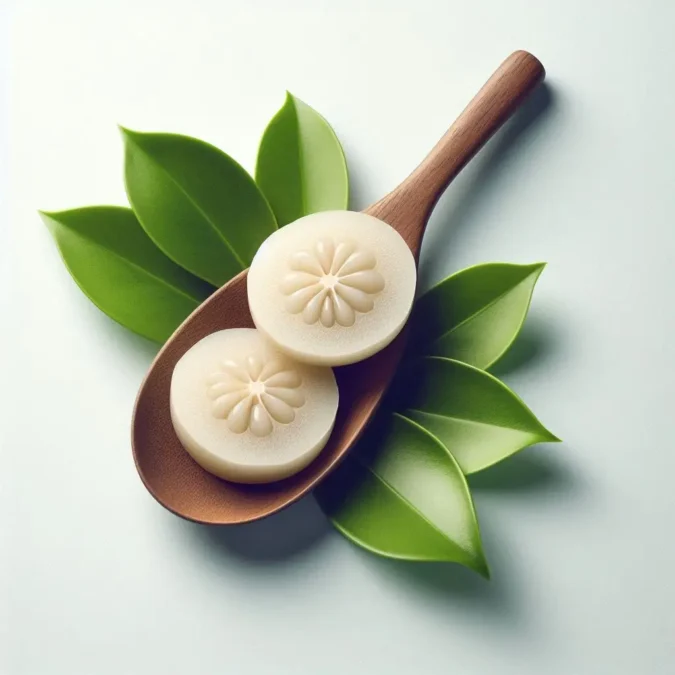
Monk fruit sweetener is derived from the luo han guo fruit, native to Southeast Asia. It contains natural compounds called mogrosides, which give it intense sweetness without calories or carbohydrates.
Health Benefits
- Zero calories: Ideal for weight loss and low-carb diets.
- No blood sugar spikes: Perfect for diabetics and keto followers.
- Powerful antioxidants: Mogrosides may help reduce oxidative stress.
How to Use
Monk fruit is available as powder, liquid drops, or granules. Use it in tea, coffee, yogurt, and desserts. It’s much sweeter than sugar, so a small amount goes a long way.
Unlike some artificial sweeteners, monk fruit doesn’t have a bitter aftertaste.
Comparision Table
Sweetener Calories (per tsp) Glycemic Index Suitable for Diabetics Main Benefit
Stevia 0 0 ✅ Yes Zero-calorie natural sweetener
Jaggery 15 60 ❌ Moderate Rich in minerals
Honey 21 58 ⚠️ Limited Antioxidants & healing properties
Coconut Sugar 15 35 ✅ Moderate Nutrient-rich, low GI
Maple Syrup 17 54 ⚠️ Limited Antioxidant-rich
Dates 20 42 ✅ Moderate Fiber & nutrients
Monk Fruit 0 0 ✅ Yes Zero-calorie, natural
Erythritol 0.2 1 ✅ Yes Low-calorie, tooth-friendly
Alternative for You
The right sugar substitute depends on your health goals, taste preferences, and diet type. Here’s a quick guide:
For diabetics: Go for stevia, monk fruit, or erythritol.
For natural options: Choose honey, jaggery, dates, or coconut sugar.
For baking: Use coconut sugar, jaggery, or erythritol as they caramelize like sugar.
For weight loss: Stick with zero-calorie options like stevia or monk fruit.
Experiment with combinations — for example, mixing stevia with a small amount of coconut sugar gives a more balanced taste in desserts.
Sugar Alternatives to Avoid
Not all sugar substitutes are created equal. Some artificial sweeteners may have side effects or long-term health concerns.
Avoid or limit:
- Aspartame: Linked with headaches and mood changes in some people.
- Saccharin & Sucralose: Artificial sweeteners that may disrupt gut health.
Natural and minimally processed options are always safer and more beneficial for overall wellness.
Tips for Reducing Sugar Naturally

Even with alternatives, it’s wise to train your palate to enjoy less sweetness over time. Here’s how:
1. Read labels carefully: Sugar hides under names like corn syrup, maltose, or dextrose.
2. Flavor naturally: Use cinnamon, vanilla, or nutmeg to enhance sweetness.
3. Eat whole fruits: Their natural sugars come with fiber and nutrients.
4. Hydrate well: Sometimes cravings are just thirst signals.
5. Cut back gradually: Replace half of your sugar with a substitute and reduce slowly.
Wrapping Up
Reducing sugar intake doesn’t mean giving up sweetness — it’s about making smarter, healthier swaps. Whether you prefer natural sweeteners like honey and jaggery, or low-calorie ones like stevia and monk fruit, each option offers a unique taste and health benefit.
The key is moderation. Even natural alternatives can add calories if used excessively. Focus on whole, unprocessed foods and use these substitutes as tools to support a balanced, healthy lifestyle.
Small changes — like switching sugar in your coffee or breakfast — can make a big difference in your energy, mood, and overall wellness.


