



The Timeless Wisdom Teachings Of Socrates That Inspire Conscious Living
Socrates, the great philosopher of ancient Greece, lived over 2,400 years ago — yet his teachings continue to echo in today’s world. Known as the father of Western philosophy, Socrates never wrote a single word himself. His wisdom was passed down through the writings of his disciples, most notably Plato.
What makes Socrates truly remarkable is his ability to turn everyday conversations into deep reflections about truth, virtue, and consciousness. His philosophy wasn’t about memorizing facts — it was about living with awareness, questioning assumptions, and seeking truth from within.
In an era where distractions and busyness dominate modern life, Socratic teachings remind us to pause, reflect, and live consciously. Below are nine inspirational teachings of Socrates that can help you cultivate mindfulness, self-awareness, and purpose in your daily life.
1. “Know Thyself” — The Foundation of Conscious Living

One of Socrates’ most famous teachings, “Know thyself,” forms the heart of conscious living. To live consciously, we must first understand who we are — our thoughts, emotions, values, and motivations.
Socrates believed that ignorance of the self was the root of all human suffering. Without self-awareness, we make choices based on fear, ego, or social pressure, rather than inner truth.
You may also like: 8 Powerful Psychological Tricks to Simplify Life Instantly
2. “The Unexamined Life Is Not Worth Living” — The Call of Awareness

At his trial, Socrates famously declared, “The unexamined life is not worth living.” These words remain one of the most powerful invitations to conscious living ever spoken.
An unexamined life is one lived on autopilot — chasing goals others set, following routines without reflection, and avoiding uncomfortable truths. Socrates urged people to examine their lives, beliefs, and actions continuously.
3. “I cannot teach anybody anything, I can only make them think”

Socrates once said, “I cannot teach anybody anything, I can only make them think.” This emphasizes the power of self-discovery over traditional rote learning. According to Socrates, true growth and wisdom come from questioning, reflection, and independent thought. His method, known as the Socratic dialogue, encourages individuals to critically examine ideas and concepts. Instead of passively accepting information, this approach fosters deeper understanding and empowers conscious decision-making, helping individuals think for themselves.
4. “He who is not content with what he has, would not be content with what he would like to have”
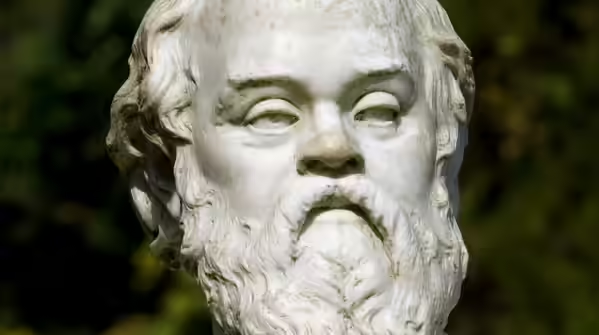
Socrates emphasizes the importance of gratitude and mindfulness. He believed that true happiness doesn’t stem from acquiring more, but from appreciating what we already have. By valuing the present moment and cultivating contentment, we free ourselves from the endless pursuit of desires. This allows us to focus on personal growth, ethical living, and finding fulfillment in what truly matters.
5. “Be Kind, for Everyone You Meet Is Fighting a Hard Battle”
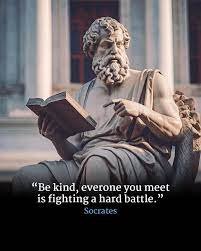
Though this exact phrase is often paraphrased, it reflects the spirit of Socratic compassion. Socrates believed that virtue and goodness stem from understanding human nature.
Living consciously means not just being aware of yourself but also being empathetic toward others. Every person carries invisible struggles, and responding with kindness can transform both your relationships and your inner peace.
6. “Contentment is natural wealth, luxury is artificial poverty”

Socrates emphasizes the value of simplicity and inner satisfaction over materialism. True prosperity, according to him, lies in being independent and content with what we already have, rather than seeking luxury or acquiring endless material possessions. Conscious living, for Socrates, means embracing simplicity, focusing on meaningful experiences, and prioritizing personal growth and ethical conduct.
The teachings of Socrates offer timeless guidance for living consciously. Through self-reflection, independent thinking, gratitude, and ethical behavior, we can lead lives that are meaningful, wise, and fulfilling. His philosophy reminds us that mindfulness, curiosity, and moral integrity are essential to navigating life’s challenges and cultivating a life of purpose and fulfillment.
7. “To find yourself, think for yourself”

Independent thought is essential for self-discovery. Socrates urges us to resist societal pressures and critically examine our beliefs in order to uncover our true selves. Conscious living requires personal reflection and intellectual autonomy, ensuring that our actions, values, and goals align with who we truly are, rather than being shaped by external expectations.
8. “Wisdom begins in wonder”

Practical Ways to Live Socratically in the Modern World
You don’t need to be a philosopher to apply Socratic wisdom in daily life. Here are some simple ways to live consciously, inspired by Socrates’ timeless teachings:
Ask More Questions: In every situation, seek deeper understanding rather than quick conclusions.
Be Present: Focus fully on what you’re doing — whether eating, walking, or talking.
Embrace Simplicity: Let go of clutter — physical and mental — to make room for peace.
Cultivate Self-Discipline: Freedom comes from mastering desires, not indulging them.
Reflect Before Reacting: Awareness grows when you pause before responding.
By living with intention and awareness, you align with the essence of Socratic thought — turning every moment into a conscious choice.
Conclusion: Living Consciously — The Socratic Way
The teachings of Socrates continue to shine like a beacon of truth across centuries. His philosophy reminds us that conscious living is not about perfection but about awareness — being awake to life as it unfolds.
When we “know ourselves,” question our motives, seek truth with humility, and act with virtue, we live not just intelligently but meaningfully. Socrates’ wisdom challenges us to live with awareness, compassion, and curiosity — transforming everyday existence into a conscious act of growth.


