


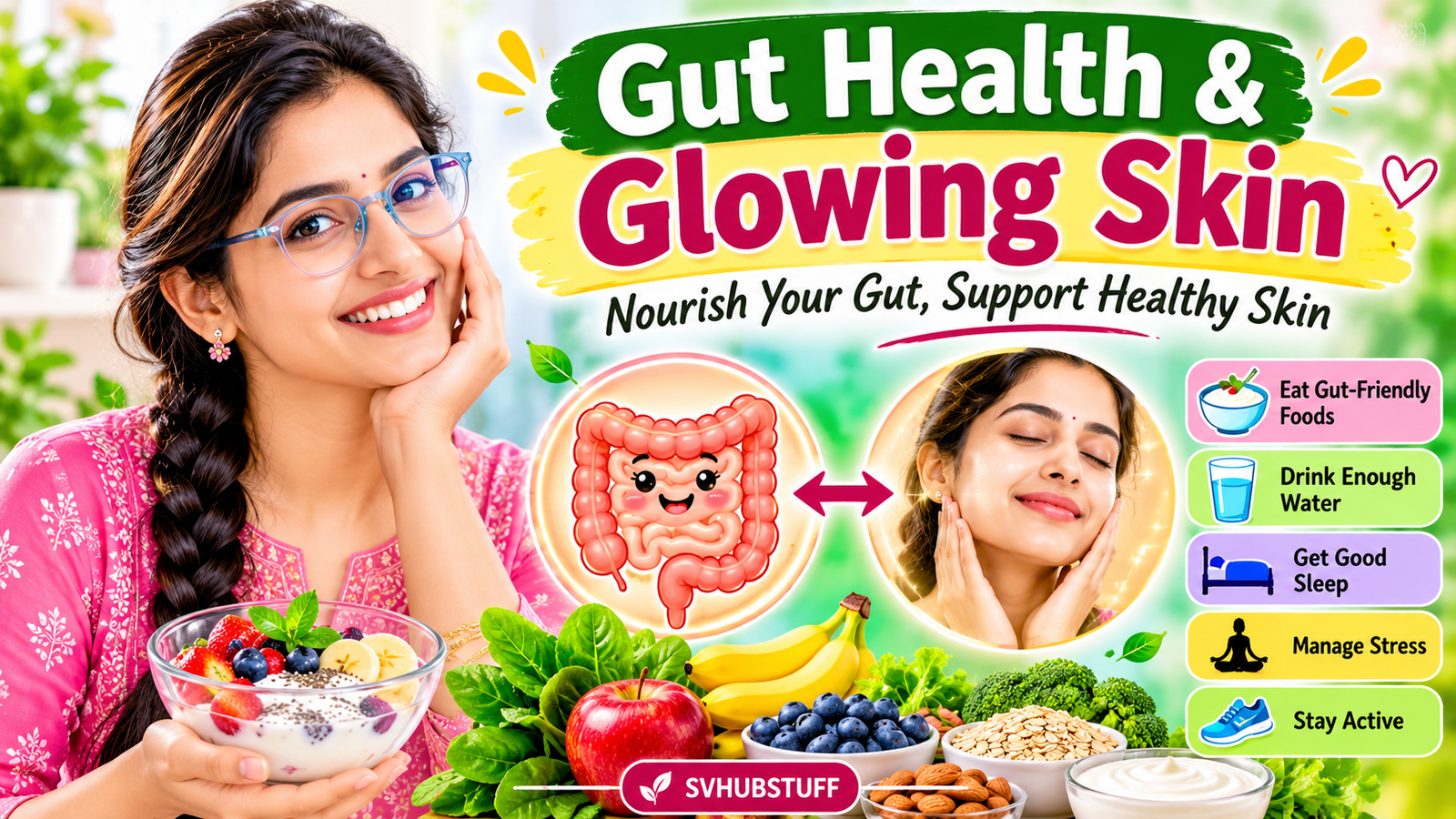

Gut Health and Glowing Skin: 10 Ways to Improve Your Skin Naturally
Everyone wants healthy, clear, and naturally glowing skin. Many people spend money on expensive skincare products, serums, moisturisers, and beauty treatments to improve their appearance.
However, healthy skin is not only about what you apply to your face. What you eat and how your digestive system works can also influence your skin health.
Have you ever noticed that your skin looks dull when you have digestive problems, poor sleep, or unhealthy eating habits?
There may be a connection.
Scientists are increasingly studying the relationship between the digestive system and skin health. This relationship is commonly called the gut-skin connection.
Your gut plays an important role in digestion, nutrient absorption, and immune function. A healthy gut helps your body use nutrients that support normal skin function.
Let’s understand how gut health affects your skin, which foods support a healthy gut, and what daily habits can help you maintain healthy, glowing skin.
1. What Is Gut Health?
Gut health refers to how well your digestive system works, including the balance of microorganisms living inside your intestines.
Your digestive system contains trillions of tiny microorganisms, including bacteria, fungi and other microbes. Together, they form what is known as the gut microbiome.
Some microorganisms are helpful, while others can cause problems when they grow excessively or when the balance of the gut microbiome changes.
A healthy gut microbiome supports several important functions:
Helps break down food.
Supports nutrient absorption.
Helps maintain normal bowel movements.
Supports the immune system.
Helps maintain the intestinal barrier.
Produces certain vitamins and useful substances.
Your gut health can be influenced by your diet, lifestyle, sleep, stress levels, medications and physical activity.
2. What Is the Gut-Skin Connection?
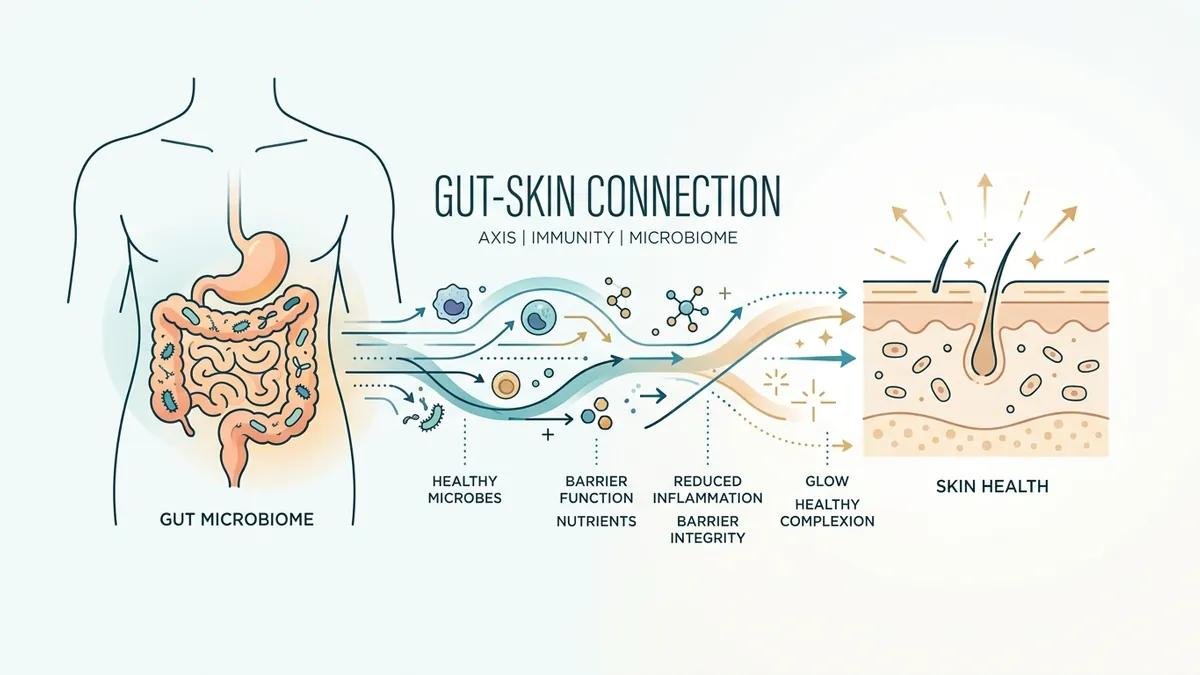
The gut and skin are two important systems in the human body. Although they perform different functions, they communicate with each other through immune, metabolic, and hormonal pathways.
This relationship is called the gut-skin axis.
When the gut microbiome is balanced, it can support normal immune function and help maintain the body’s natural inflammatory balance.
However, changes in gut microorganisms may influence inflammation and immune responses throughout the body.
Researchers are studying how these changes may relate to different skin conditions, including:
Acne.
Eczema.
Skin inflammation.
Skin sensitivity.
It is important to understand that gut problems do not automatically cause skin problems. Skin conditions have many possible causes, including genetics, hormones, skincare products, and environmental factors.
Improving gut health may support overall well-being, but it is not a guaranteed treatment for skin conditions.
3. How Does Gut Health Affect Your Skin?
Let’s explore some important ways your digestive system may influence your skin.
A. Supports Nutrient Absorption
Your skin needs essential nutrients to maintain its normal structure and function.
Your digestive system helps break down food and absorb nutrients such as:
Vitamin C.
Vitamin E.
Zinc.
Protein.
Essential fatty acids.
These nutrients support collagen production, skin repair, antioxidant protection, and normal skin function.
When digestion or nutrient absorption is affected, your body may not receive enough of certain nutrients.
Eating a balanced diet helps provide the nutrients needed for healthy skin.
B. Helps Maintain Immune Balance
Your gut contains a large part of your body’s immune system.
A balanced gut microbiome supports normal immune responses and helps maintain the intestinal barrier.
Changes in gut bacteria may influence immune activity and inflammation.
Because inflammation is involved in several skin conditions, researchers are exploring the role of gut health in skin wellness.
C. Supports the Body’s Natural Barrier
Your intestinal lining acts as a protective barrier. It helps control which substances pass from the digestive system into the bloodstream.
A healthy intestinal barrier is important for normal digestive and immune functions.
When this barrier becomes damaged, it may contribute to inflammation and other health problems.
Supporting gut health through balanced nutrition and healthy habits can help maintain normal digestive function.
D. May Influence Acne and Other Skin Conditions
Some studies have found possible links between gut microbiome changes and inflammatory skin conditions such as acne.
However, the research is still developing.
Acne can be influenced by several factors, including:
Hormonal changes.
Excess oil production.
Blocked pores.
Skin bacteria.
Genetics.
Certain dietary patterns.
Eating a balanced diet may support general skin health, but it cannot replace appropriate acne treatment.
4. Best Foods for Gut Health and Glowing Skin
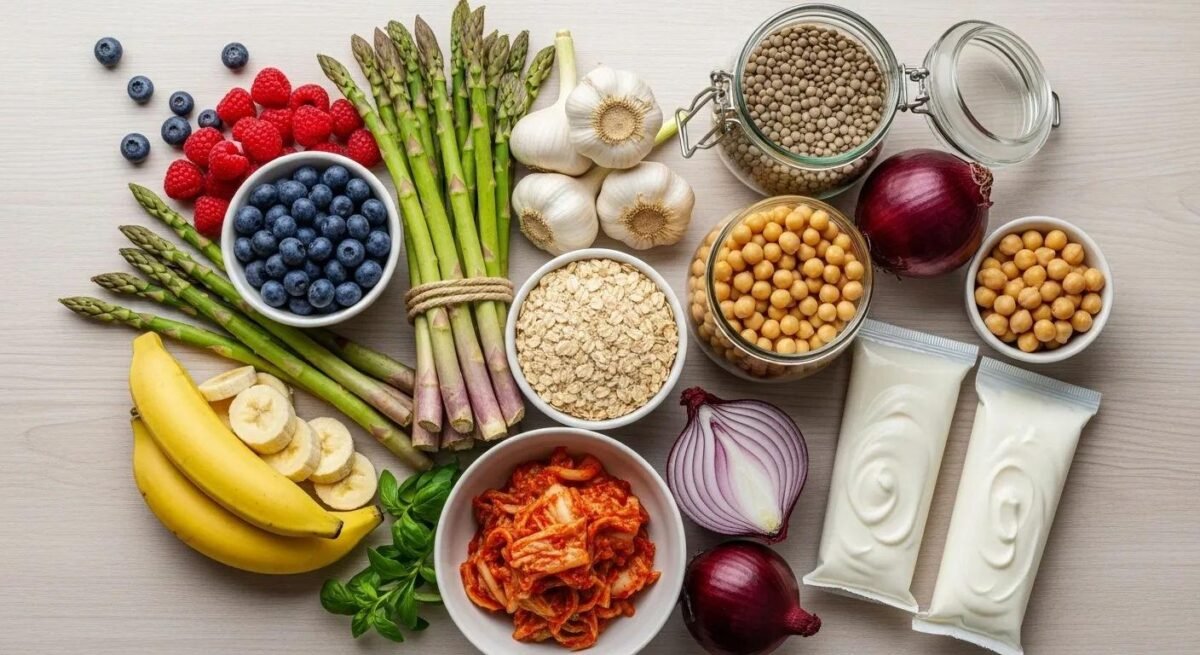
One of the easiest ways to support your gut is by including different nutritious foods in your daily diet.
Here are some excellent food choices.
1. Curd and Yogurt
Curd is a familiar food in many Indian households.
Yogurt containing live cultures can provide beneficial bacteria that support gut health.
Benefits include:
Provides protein and calcium.
Contains live cultures when properly prepared.
Supports a balanced diet.
Can be included in meals and snacks.
Choose plain, unsweetened yogurt or curd whenever possible.
2. Bananas
Bananas are easy to find and affordable.
They contain dietary fibre, including resistant starch in less-ripe bananas, which can support beneficial gut bacteria.
Benefits include:
Provide dietary fibre.
Supply potassium.
Offer natural energy.
Make a convenient snack.
3. Oats
Oats are a good source of soluble fibre, especially beta-glucan.
Fibre supports digestion and helps maintain healthy bowel movements.
You can enjoy oats as breakfast with fruits, nuts and seeds.
4. Leafy Green Vegetables
Vegetables such as spinach, amaranth leaves and fenugreek leaves provide fibre, vitamins and minerals.
They help support a balanced diet and provide nutrients that are important for normal skin function.
Try adding green vegetables to your lunch and dinner.
5. Almonds and Walnuts
Nuts provide healthy fats, vitamin E, fibre and other useful nutrients.
Vitamin E helps protect cells from oxidative damage.
A small handful of unsalted nuts can make a nutritious daily snack.
6. Berries and Seasonal Fruits
Fruits such as strawberries, blueberries, oranges, guava and papaya provide vitamins, fibre and antioxidants.
Vitamin C is particularly important because your body needs it to produce collagen.
Choose different seasonal fruits instead of depending on only one type.
7. Fermented Foods
Fermented foods can contain beneficial microorganisms, depending on how they are prepared.
Examples include:
Idli and dosa batter.
Plain yogurt.
Traditional fermented vegetables.
Some types of fermented rice preparations.
Not every fermented food contains live probiotic cultures, especially after cooking or processing.
8. Chia Seeds and Flaxseeds
These seeds contain fibre and plant-based omega-3 fatty acids.
They can be added to smoothies, oats, and homemade breakfast bowls.
Start with small amounts and drink enough water when increasing your fibre intake.
5. Probiotics vs Prebiotics: What Is the Difference?
You may have heard about probiotics and prebiotics in advertisements for digestive health products.
Although their names sound similar, they have different functions.
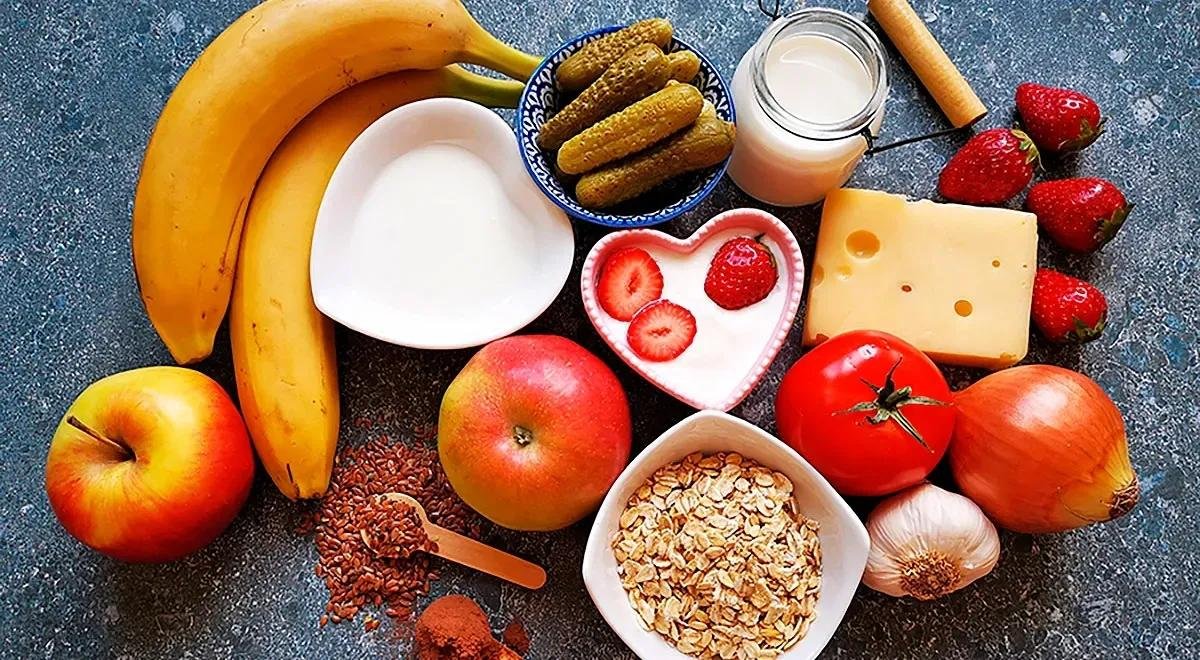
| Probiotics | Prebiotics |
|---|---|
| Live microorganisms | Substances used by beneficial gut microbes |
| Found in some yogurts and fermented foods | Found in foods containing specific fibres |
| Support the gut microbiome | Help feed beneficial gut microorganisms |
| Example: Live-culture yogurt | Example: Onion, garlic and oats |
Probiotic foods: Plain yogurt with live cultures, kefir and certain fermented foods.
Prebiotic foods: Bananas, oats, onions, garlic, beans and asparagus.
You do not necessarily need expensive supplements to support gut health. A varied diet containing fibre-rich and fermented foods is a good starting point.
6. Daily Habits That Support Gut Health and Healthy Skin
Food is important, but your everyday lifestyle also plays a major role.
Here are some simple habits to include in your routine.
1. Drink Enough Water
Water supports digestion, nutrient transport, and normal body functions.
Drink water regularly throughout the day. Your needs may vary depending on your activity level, weather and health.
2. Eat More Fibre
Fibre supports healthy bowel movements and feeds beneficial gut bacteria.
Include vegetables, fruits, whole grains, beans and seeds in your meals.
Increase fibre gradually to avoid bloating.
3. Get Enough Sleep
Sleep is important for your body’s recovery and normal skin function.
Poor sleep may affect stress hormones and inflammation.
Try to maintain a / schedule and aim for around seven to nine hours of sleep if you are an adult.
4. Manage Everyday Stress
Long-term stress can affect digestion and may worsen some skin conditions.
Simple activities can help you relax:
Walking outdoors.
Practising yoga.
Meditation.
Listening to music.
Spending time with family.
Maintaining a relaxing bedtime routine.
5. Exercise Regularly
Regular physical activity supports digestion, circulation, and overall health.
You can choose activities such as walking, cycling, swimming, or yoga.
Even a simple daily walk can be a helpful starting point.
6. Avoid Excessive Processed Foods
Eating too many highly processed foods, sugary snacks, band fried foods may leave less room for nutritious foods in your diet.
Try to choose balanced meals containing protein, vegetables, fruits and whole grains.
You do not need to completely avoid your favourite foods. Focus on balance and moderation.
7. A Simple Indian Diet Plan for Gut Health
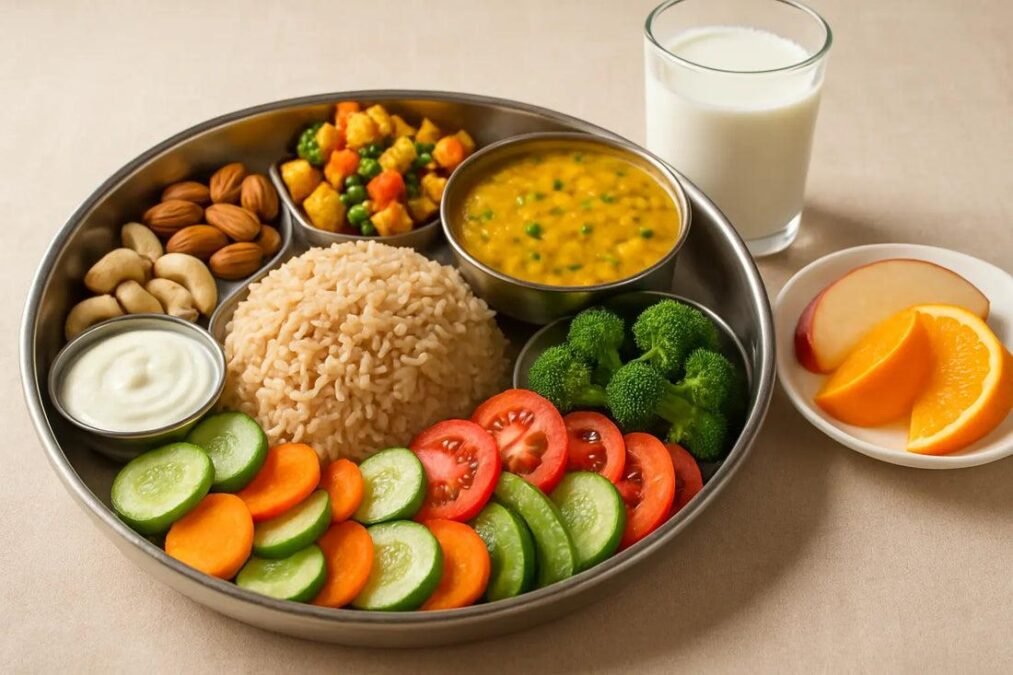
You do not need expensive imported foods to support your gut. Many affordable Indian foods provide fibre, protein and essential nutrients.
Here is a simple sample meal plan.
| Meal | Food suggestions |
|---|---|
| Early morning | A glass of water |
| Breakfast | Vegetable idli with sambar |
| Mid-morning | Guava, papaya or banana |
| Lunch | Rice or millet, dal, vegetables, and curd |
| Evening snack | Almonds, walnuts or roasted chana |
| Dinner | Vegetable khichdi or chapati with dal and vegetables |
| Before bed | Water if needed |
This is a general example, not a personalised medical diet. Adjust portions and food choices according to your nutritional needs, allergies, and health conditions
8. Common Signs That Your Gut May Need Attention
Digestive symptoms can sometimes indicate that your gut health needs attention.
Common symptoms include:
Frequent bloating.
Constipation.
Diarrhoea.
Abdominal discomfort.
Changes in bowel habits.
These symptoms can have many causes, including food intolerance, infections, medication effects and digestive disorders.
If symptoms continue, become severe or are accompanied by blood in the stool, unexplained weight loss or persistent abdominal pain, consult a healthcare professional.
Remember that skin problems alone cannot tell you whether your gut microbiome is healthy or unhealthy.
9. Common Gut Health Mistakes to Avoid
Many people make mistakes when trying to improve their digestive health.
Here are some habits to avoid.
1. Taking probiotic supplements without a clear reason
Not every probiotic works for every person or condition. Consult a healthcare professional before using supplements, particularly if you have a weakened immune system or a serious illness.
2. Eating too much fibre suddenly
Increasing fibre too quickly can cause bloating and gas. Increase it gradually.
3. Following extreme detox diets
Your liver and kidneys already perform important waste-removal functions. Juice cleanses and detox products are not necessary for maintaining gut health.
4. Ignoring sleep and stress
Healthy eating alone cannot replace proper sleep, physical activity and stress management.
5. Expecting instant glowing skin
Healthy skin takes time and depends on several factors. Consistent skincare, balanced nutrition and healthy habits are more useful than quick-fix promises.
10. How Long Does It Take to See Changes in Your Skin?
There is no fixed timeline for improvements in skin appearance after changing your diet.
Some people may notice improvements in digestion within days or weeks, while skin changes can take longer.
The results depend on:
Your current diet.
Existing skin conditions.
Hormonal factors.
Sleep quality.
Stress levels
Overall health.
Do not expect gut-friendly foods to remove acne, pigmentation or wrinkles overnight.
Focus on long-term habits rather than quick results.
Frequently Asked Questions
1. Can gut health improve skin glow?
A healthy gut supports digestion, nutrient absorption, and normal immune function. These processes contribute to overall health, including skin health. However, gut health alone cannot guarantee glowing skin.
2. Which foods are best for gut health and glowing skin?
Foods such as plain yogurt, bananas, oats, leafy vegetables, berries, nuts, seeds and beans provide nutrients and fibre that support gut and skin health.
3. Does poor gut health cause acne?
Some research suggests a possible connection between gut microbiome changes and acne. However, acne has many causes, including hormones, genetics, oil production, and blocked pores.
4. Is curd good for gut health?
Plain curd containing live cultures can provide beneficial bacteria. It also supplies protein and calcium. People with lactose intolerance may need suitable alternatives.
5. Are probiotics necessary for glowing skin?
No. Probiotics are not necessary for everyone, and there is limited evidence that probiotic supplements directly improve skin appearance. A balanced diet is a good starting point.
6. How can I improve gut health naturally?
Eat fibre-rich foods, include suitable fermented foods, drink enough water, exercise regularly, sleep well and manage stress.
7. Does drinking water improve skin health?
Water helps maintain normal body functions and prevents dehydration. However, drinking extra water beyond your body’s needs does not automatically make your skin glow. Ugh
8. Can gut health reduce skin inflammation?
A balanced gut microbiome supports normal immune function. Researchers are studying its relationship with inflammatory skin conditions, but dietary changes should not replace medical treatment.
9. Which Indian foods support a healthy gut?
Curd, idli, dosa, dal, beans, vegetables, fruits, oats, and whole grains are useful options for a varied, fibre-rich Indian diet.
10. What is the best morning routine for gut and skin health?
Start with water, enjoy a balanced breakfast, include fruits and vegetables throughout the day, get regular exercise and maintain a consistent sleep routine.
Conclusion: Healthy Skin Starts with Healthy Habits

Healthy, glowing skin is not achieved through skincare products alone. Your diet, digestive health, sleep, and stress levels
and daily lifestyle also matter.
The gut-skin connection reminds us that taking care of our bodies from the inside is an important part of overall wellness.
Start with simple changes. Include fibre-rich foods, enjoy plain curd or other suitable fermented foods, eat seasonal fruits, drink enough water, and stay physically active.
Remember that consistency is more important than expensive products or complicated routines.
Give your body the nutrition and care it needs, and make healthy living a part of your everyday life.
Follow SVHubStuff for more simple health, beauty, nutrition, and wellness tips!

