



🌿 Introduction: What is Eudaimonia
Happiness is often confused with temporary pleasure — a new gadget, a vacation, or social media validation. But ancient philosophers believed in a deeper, more lasting form of happiness called eudaimonia.
The concept of eudaimonia goes beyond fleeting joy. It represents a life of purpose, virtue, and fulfillment. In this article, you’ll learn the meaning of eudaimonia, its origin in Greek philosophy, and practical examples to help you live a more meaningful life.
📖 What Is Eudaimonia? (Simple Meaning)
Eudaimonia is a Greek word that means “human flourishing” or “living well.” It refers to a state where a person lives in alignment with their true values, purpose, and potential.
Unlike happiness based on pleasure (called hedonia), eudaimonia focuses on:
- Long-term fulfillment
- Personal growth
- Living with a contributing to others
👉 In simple terms:
Eudaimonia = Living your best, most meaningful life,
🏛️ Origin of Eudaimonia in Greek Philosophy
The concept of eudaimonia was central to ancient Greek philosophy, especially in the works of Aristotle
Aristotle’s View on Eudaimonia
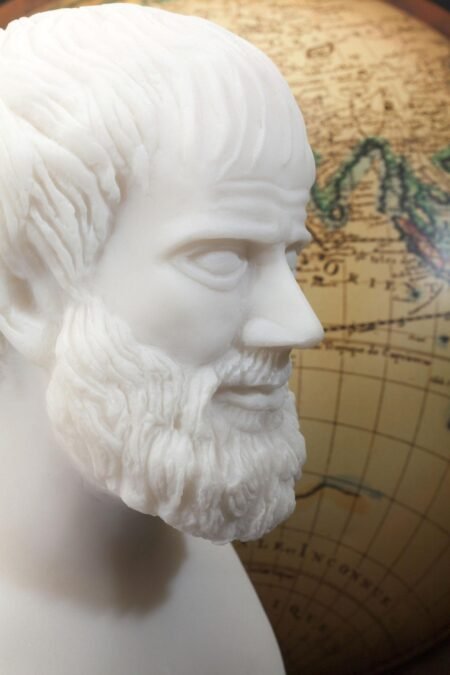
According to Aristotle:
“Eudaimonia is the highest good for humans.”
He believed that true happiness comes not from pleasure, but from living a virtuous life and fulfilling one’s potential.
Key Ideas from Aristotle:
Every human has a purpose (telos)
Living with virtue leads to fulfillment
Rational thinking and moral behavior are essential
Happiness is a lifelong process, not a moment
Eudaimonia is achieved through consistent actions, not quick rewards.
🌟 Eudaimonia vs Hedonia: What’s the Difference?
| Aspect | Hedonia (Pleasure) | Eudaimonia (Fulfillment) |
|---|---|---|
| Focus | Pleasure & comfort | Meaning & purpose |
| Duration | Short-term | Long-term |
| Example | Watching TV all day | Building a meaningful career? |
| Result | Temporary happiness | Lasting satisfaction |

👉 Both are part of life, but eudaimonia leads to deeper and more sustainable happiness.
🌱 Key Elements of Eudaimonia
To truly understand eudaimonia, let’s break it down into its core components:
1. Purpose (Living with Meaning)
Having a clear sense of direction in life gives meaning to your actions.
2. Virtue (Doing What Is Right)
Living ethically and practicing honesty, kindness, and integrity.
3. Personal Growth
Continuously improving yourself — mentally, emotionally, and spiritually.
4. Contribution to Society
Helping others and making a positive impact.
5. Self-Realization
Becoming the best version of yourself
🧠 Why Eudaimonia Matters Today

In the modern world, people often chase success but still feel empty. That’s because:
- Material success ≠ fulfillment
- Social media creates comparison
- Instant gratification replaces meaningful effort
Eudaimonia helps you:
✔ Build inner peace
✔ Find lasting happiness
✔ Reduce stress and anxiety
✔ Live a meaningful life
💡 Real-Life Examples of Eudaimonia
Here are practical examples of eudaimonia in daily life:
1. A Teacher Inspiring Students

Not just doing a job, but shaping young minds with passion.
2. Volunteering for a Cause
Helping others without expecting rewards.
3. Pursuing Passion
An artist creating meaningful work, not just for money.
4. Overcoming Challenges
Growing stronger through hardships.
5. Building Strong Relationships
Spending quality time with loved ones.
🛤️ How to Achieve Eudaimonia (Step-by-Step)
1. Discover Your Purpose
Ask yourself:
- What truly matters to me?
- What gives my life meaning?
2. Practice Virtue Daily
Be honest, kind, and responsible in your actions.
3. Focus on Growth
Read books, learn new skills, and improve continuously.
4. Help Others
Even small acts of kindness create fulfillment.
5. Live Mindfully
Be present and intentional in everything you do.
🧘 Eudaimonia and Modern Psychology
Modern psychology supports the idea of eudaimonia.
Positive psychology researchers suggest that true well-being comes from:
- Meaningful goals
- Strong relationships
- Personal growth
- Contribution to others
This aligns closely with Aristotle’s teachings.
⚠️ Common Misconceptions About Eudaimonia
❌ It does NOT mean constant happiness
❌ It is NOT about luxury or wealth
❌ It is NOT achieved overnight
✔ It is a lifelong journey
✔ It includes struggles and growth
✔ It focuses on meaning, not pleasure
📊 Benefits of Living a Eudaimonic Life
- Greater life satisfaction
- Strong mental health
- Improved resilience
- Better relationships
- Sense of purpose
📝 Conclusion
Eudaimonia is more than just happiness — it is about living a meaningful, purposeful, and virtuous life. Rooted in the teachings of Aristotle, this timeless concept reminds us that true fulfillment comes from within.
Instead of chasing temporary pleasures, focus on growth, purpose, and contribution. When you align your life with these principles, you naturally experience deeper satisfaction and lasting happiness.

