



Many of us swear we apply sunscreen every day before heading out in the afternoon. Yet, after a few weeks, our skin seems duller, more uneven in tone, and even darker than before. How can this happen if we are religiously applying a product containing UV-blocking agents every day?
Protecting your skin from the sun depends on your sunscreen. Yes, it is wonderful that there are so many varieties to choose from, each of them offering UV protection. But the most important thing is to use it in the right way, because it is surprisingly easy to misuse sunscreen.
Small mistakes with applying sunscreen can lead to large problems. The sunscreen must be applied in thick enough layers without being rubbed too much. Often, people apply too little of it and think that it is enough to protect them from the sun. As a result, the sunscreen is not able to provide sufficient protection against the sun’s rays, which can cause spots on the skin and even make the skin look darker.
Here are some of the most common sunscreen mistakes that lead to darker skin and ways to fix them right away!
The Nickel-Sized Under-Application Trap: amount of sunscreen product
One of the quickest and most common sunscreen mistakes is not applying enough product.
In testing labs, dermatologists are overwhelmed with whether an SPF 30 or SPF 50 is genuine and not overclaimed. They apply a very specific, thick layer to the skin. We’ll tell you the right way to apply sunscreen by using the medical industry standard: they apply it by measuring two milligrams of product to each square centimeter.
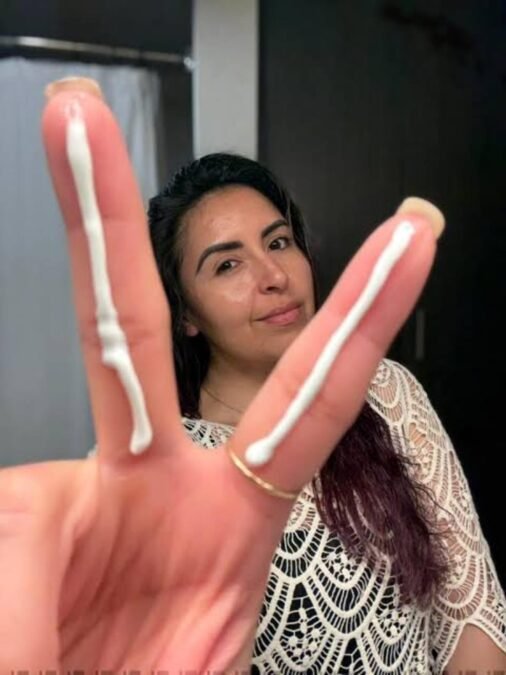
Your face/neck alone requires approximately a nickel-sized dollop—or the “two-finger” standard referencing the length of the line between your index and middle fingers, which is squeezed together with the weight of a full nickel.
And what does everyone else actually do in the privacy of their own homes? A pea-sized drop of sunscreen is squeezed into the palm of our hand, dabbed onto our cheeks and forehead, and rubbed until it is invisible. It has an airy texture, it is barely detectable, and it goes on smoothly. Yet it also exposes you to harmful levels of UV radiation.
By applying half the sunscreen required, you do not get SPF 25; rather, there is a drastic reduction in protection because of the mathematical nature of UV filtration. Instead, you get an uneven, thin shield that leaves UVA and UVB reaching into your dermis.
The melanin reaction (in response to the lack of protection you currently have) becomes overreactive to protect your cells, leading to a more and more marked progression of your skin tone to a darker hue and a number of stubborn permanent tan lines, despite your never having wanted them.
Treating Sunscreen Like a Morning Moisturizer
We also trap ourselves by playing no good with our morning skincare, like using sunscreen as just a daily lotion, rubbing it in, or layering it over a heavy oil-based cream as if it were our everyday lotion.
UVA-Breakdown when you add sunscreen to a heavy, unabsorbed moisturizer or massage it too hard into the skin; it destroys the integrity of the delicate chemical or physical UV-blocking film. It leaves surface area of a sunscreen clumping into tiny clusters instead of forming an even, protective layer across your face.
This is what gives your skin a ‘Swiss cheese’ effect. Under a UV camera, poorly applied or rubbed-off sunscreen will look like a patchy mesh of thousands of infinitesimal holes. Unprotected skin exposed to direct UV rays in those gaps helps lead to local melanin production. This is a huge reason people get stubborn melasma freckles on their cheeks and noses even when they use sun protection.
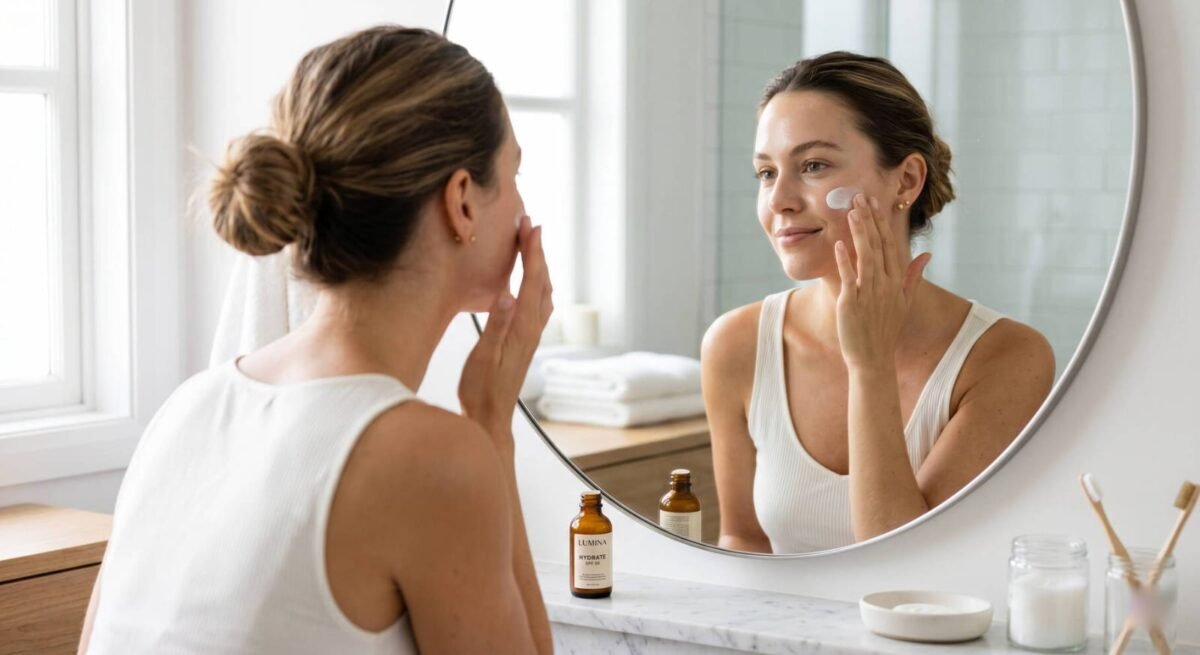
Instead of massaging lotion until it is no more than a vanishing cream, dot a little everywhere and pat it into your skin. Let your normal base moisturizer set for five minutes before adding SPF.
Forgetting the Forgotten Zones

Sometimes, after a hot summer, you might reflect in the mirror and see a distinctive tone difference. The face and forehead might contend with a fair complexion, perhaps, but the rest of your neck, back of your ears, hairline, and hands are sunburnt & weathered. We all get in a rush with our morning routines, and we just seem to focus directly in the center of our face – cheeks, nose, forehead. We only think about the perimeter or areas that are fragile but also exposed to sunlight as well.
- Neck: Your neck is thinner and more sensitive than the skin on your face, making it vulnerable to early aging and darkening of the skin (hyperpigmentation). When you apply sunscreen, you end up not reaching behind the jawline. Hence, this area will be more exposed to the sun and get darker more quickly than your face.
- The eyelids and ears: We forget the eyelids in particular because of its tender nature hence the anxiety of stinging, but the skin cover around eyes is the earliest one to exhibit signs of sun damage and dark pigmentation. Cumulative exposure to the UV rays here also means that your ears are filled with them.
- The hairline and partition: As your scalp is hit by the sun directly when pulling your hair back or when it falls into a parting, a sunburn or going to the tanning booth constantly could result in inflammation and a near-constant appearance of any spot covering localised areas around the temples.
- Hands and feet: Many of us also forget to apply sunscreen on our hands and feet. To avoid the area of the skin of our hands (especially the back of the hands) and feet from getting dark, it is important to thoroughly apply sunscreen on these often forgotten areas.
The same kind of attention needs to be given to treating the entire upper body and feet when sun-protecting the face to ensure even tone all over.
Skipping Reapplication Because You Stay Indoors

Many of us are told that by applying sunscreen at 8:00 AM as we log onto our laptops, we are like, totally safe for the next twelve hours because there is a comfy myth behind that one and it will later become areas of total skin darkening.
By absorbing UV energy and turning it into heat, chemical sunscreens function. Conversely, physical sunscreens, such as zinc oxide, reflect it. Though, with time, as you reside close to a window, sweat a little, or brush your face with your hand or blink, this protective layer wears off. In addition, UVA rays—which are the most important wavelength for deep skin tanning, premature aging, and freckles—penetrate ordinary glass windows directly. An all-day sit next to a bright window without reapplying the SPF every two to three hours, the morning defense will happen by lunch. You are slowly accumulating UV damage while typing away indoors, ending with a dimmed, darkened complexion by the end of the week.
If you’re into using foundation and cannot come back to find a mineral powder sunscreen or a translucent setting spray with SPF in your bag; all you need to do is dust your face thoroughly every few hours to keep your defense going without messing up your makeup.
Relying Solely on Makeup with SPF
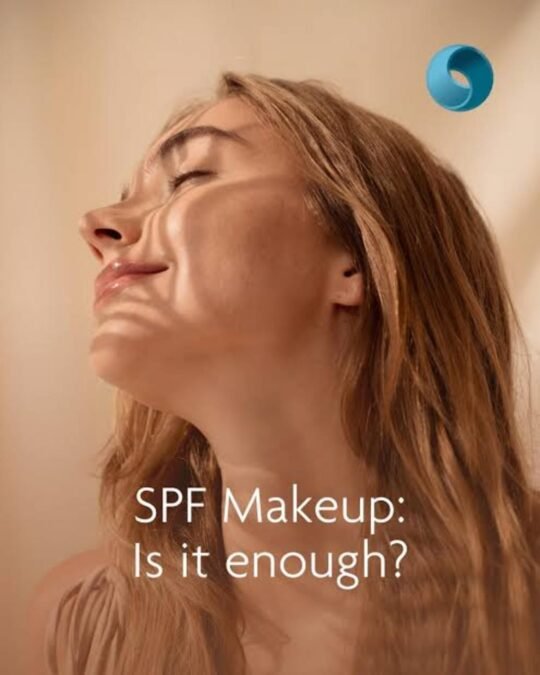
Imagine that this is a fantasy: a liquid foundation with “SPF 30” on the cap, a tinted moisturizer, or BB cream. You think about killing two birds with one stone! However, depending on the foundation with built-in SPF is one of the quickest sunscreen mistakes that makes your skin darker.
If you use proper amount of foundation to read the actual amount of SPF which is designated on your foundation bottle would require you to use seven times more cosmetic than a normal human is capable of performing. So, you might think you’re protected, but also losing your confidence with the minuscule fraction of the touted amount of protection delivered by the minimal, no-brain application of SPF foundation of the brand you trust.
Though, you may want to embrace a tinted moisturizer as an extra layer of protection—your primary line of defense should still be the physical maintenance of a standalone sunscreen that lives under your beauty products. Let it dry for several minutes before applying your charmers on top.
Ignoring Expiration Dates and Improper Storage
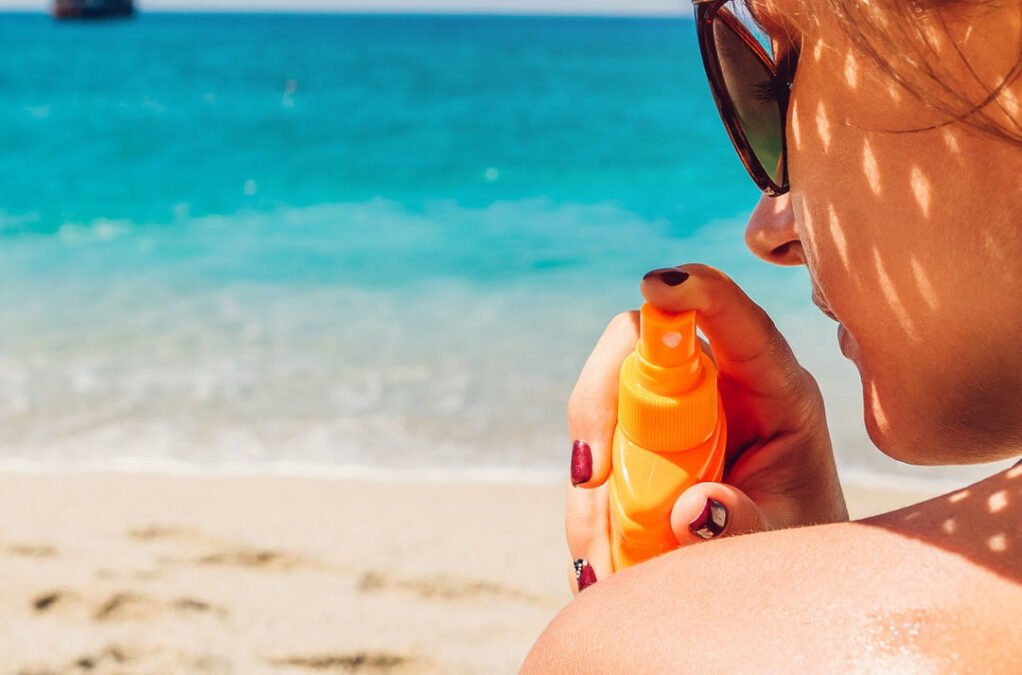
If you have an old tube of sunscreen that has gotten dusty and is hiding in your beach bag from the first summer two years ago, get rid of it; throw out the bottle right away.
Sunscreen is an active compound of chemical or mineral formulation. It is a slow acting chemical or mineral formulation. With time, especially when exposed to intense heat, humidity and direct sunlight (as is the case when left sitting in a hot car or on a sunny beach towel), the active ingredients start to degrade and break down.
The unstable active compounds are no longer efficient at filtering UV rays. Applying expired sunscreens is just like applying scented body lotion It seems there’s still some moisturizing quality when you apply it, but it’s worthless as a sunscreen. The UV rays get through and grey your skin, darken it, and pile on hidden internal damage. Always look at the manufacture or expiration date on your bottles, and treat your sunscreens like the other perishable skincare products you buy.
Conclusion

The process of achieving a good, healthy, clear, even skin tone is very time-consuming and requires lots of patience and attention to detail. It would be really disappointing to have invested so much time and money in good brightening products and very gentle cleansers only to have all of your good work undone by simple mistakes in your daily routine of applying products to your skin.
Eliminating the hidden sunscreen mistakes that make your skin darker means paying attention to how much product you need to use for proper protection. And most importantly, being consistent and respecting the science behind the UV protection that it provides.
Your skin is your biggest organ, and it is worth protecting. By applying sufficient amounts of sunscreen to all areas of your skin and reapplying regularly, you can ensure the preservation of your skin’s outermost barrier, and prevent damage that could result in darkened skin later on. Ensure that your natural glow can shine through by taking proper care of your skin.

