Niacinamide Vs Vitamin C? Which Is Skin-Friendly!!
 For many, trying to choose between different skincare products, containing active ingredients, can be a foreign language. So many products, so many promises, in the end it can become very co
stly trying to find the right ones for your skin. There are, however, two extremely popular skincare ingredients which are often compared to each other, as they both have a variety of benefits for the skin. Niacinamide and Vitamin C are two powerful skincare ingredients that are both said to brighten the skin and reduce the appearance of dark spots.However, there are situations when we are restricted by our budget or even by the size of our skincare collection. This makes us wonder whether we should choose to incorporate Niacinamide or Vitamin C into our skincare routine. In order to choose the right ingredient for your skin type, you need to know more about Niacinamide and Vitamin C, their differences, as well as the situations in which you can use both of them in order to achieve the best results.
Understanding Vitamin C: The Ultimate Radiance Booster
 When it comes to brightening up the skin, Vitamin C is the first ingredient that is likely to spring to mind. Known as an ‘anti-aging’ ingredient, Vitamin C works to prevent and reverse environmental stress and damage caused by pollution, UV exposure and other external factors that can result in premature skin aging.Vitamin C is most notably associated with brightening of skin and fading of dark spots (including sun spots and post-inflammatory hyperpigmentation). It does all of this by inhibiting the enzyme tyrosinase, which is responsible for production of melanin (skin pigment). Vitamin C is also required for the production of collagen, the main structural protein found in skin. By stimulating production of collagen, Vitamin C can help to smooth fine lines and to produce firmer, more plump skin over time. It is commonly used in early anti-aging regimens to produce an instant glow of skin.It has a notorious reputation and can be difficult to find a good serum. Vitamin C is unstable and decays quickly when exposed to light, heat, and air turns yellow or brown and becomes less potent. This is because pure Vitamin C is in the form of L-ascorbic acid. Vitamin C requires a serum that is formulated to be low pH or acidic in order for it to penetrate into the skin. Many people report stinging, burning, or redness when using products containing pure Vitamin C on sensitive skin types, due to the acidity of the serum.
Unpacking Niacinamide: The Ultimate Multitasking Peacemaker
 The third major anti-aging serum is Niacinamide, or Vitamin B3. I
t’s a water-soluble vitamin that works really well with your skin. Perhaps the best thing about Niacinamide is how stable it is as an active ingredient.Unlike Vitamin C, Niacinamide doesn’t degrade quickly when exposed to light and air. As a result, it’s also easier to formulate into a wide array of different skincare products.
Niacinamide works to improve the look of your skin by strengthening the skin’s barrier function. It stimulates production of ceramides and other lipids to help improve the skin’s defensive layer. This improved barrier function provides better protection against moisture loss and protects against irritation from environmental stressors. This is particularly beneficial for individuals suffering from redness, and those suffering from rosacea. The improved skin barrier function created by Niacinamide will help to combat dryness and flakiness.Niacinamide also makes an excellent choice for people who suffer from oily or acne-prone skin. This is because it is able to control the amount of oil that your skin produces, which in turn means that it is able to stop your pores from clogging with excess oil. It is also able to reduce the appearance of pores on the face and to smooth out rough and. uneven skin. Finally, it is able to clear up post-acne marks and to prevent future breakouts from occurring, without causing any irritation to the skin.Head-to-Head Comparison: Key Differences
 To make a decision about which to use, it is useful to look at the characteristics of each and compare them against your own skin type and the common skin problems listed above.
1. Skin Type
Niacinamide is suitable for most skin types (normal, dry, combination, oily, sensitive, prone to acne), while Vitamin C is best suited for those with normal, combination, or oily skin types, and may cause irritation for those with sensitive skin.
2. Primary Focus:
Vitamin C targets environmental damage, dullness, collagen loss, and sun-induced pigmentation. Niacinamide focuses on barrier repair, oil control, reducing redness, and refining pore size3. Stability:
Niacinamide is very stable and can be added to most products without losing potency over time. On the other hand, Vitamin C is highly unstable and degrades quickly when exposed to light and air. It is best stored in dark packaging and used within a short period of time. Also, as a acid, it requires a low pH environment to penetrate into the skin effectively.Making Your Choice: Which One Should You Use?
Ultimately, it is up to you and your skin requirements, when it comes to choosing between Vitamin C and Niacinamide.- Use Vitamin C if you suffer from dull, grey, tired or slack skin and you want to prevent and reverse the signs of premature skin aging, including sun damage. It is also great for brightening up hyperpigmentation and very early anti-aging.
- If you have oily skin, are prone to breakouts, are looking to minimize the appearance of pores or have dry, sensitive skin that is prone to irritation then Niacinamide is the product you are looking for.
- It will work wonders for you to help reduce acne, facial redness and irritation and to help repair your skin’s natural protective barrier.
Can You Use Both Together?
 Both Niacinamide and Vitamin C are often used in skincare products but a common myth has existed that they can cancel each other out or even cause redness and flushing due to pH conflicts. This is completely false, and in recent years. a huge amount of science has actually proven that this can in fact be one of the most powerful combinations in skincare for brightening and anti-aging.While Vitamin C can help brighten the skin and provide protection against environmental aggressors, Niacinamide can help combat redness and help strengthen the skin’s barrier. Layering Vitamin C in the morning under a broad spectrum sunscreen can provide the best protection against environmental stressors while applying a Niacinamide serum or moisturizer at night can help to strengthen and soothe the skin. Modern formulations now also exist that combine the two active ingredients in safe percentages to help create the ultimate glow for the skin.





 For many, trying to choose between different skincare products, containing active ingredients, can be a foreign language. So many products, so many promises, in the end it can become very co
stly trying to find the right ones for your skin. There are, however, two extremely popular skincare ingredients which are often compared to each other, as they both have a variety of benefits for the skin. Niacinamide and Vitamin C are two powerful skincare ingredients that are both said to brighten the skin and reduce the appearance of dark spots.However, there are situations when we are restricted by our budget or even by the size of our skincare collection. This makes us wonder whether we should choose to incorporate Niacinamide or Vitamin C into our skincare routine. In order to choose the right ingredient for your skin type, you need to know more about Niacinamide and Vitamin C, their differences, as well as the situations in which you can use both of them in order to achieve the best results.
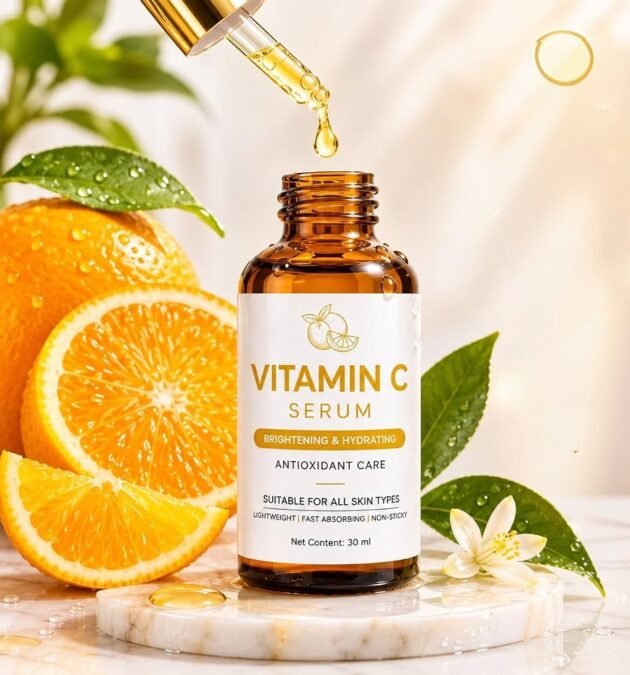 When it comes to brightening up the skin, Vitamin C is the first ingredient that is likely to spring to mind. Known as an ‘anti-aging’ ingredient, Vitamin C works to prevent and reverse environmental stress and damage caused by pollution, UV exposure and other external factors that can result in premature skin aging.Vitamin C is most notably associated with brightening of skin and fading of dark spots (including sun spots and post-inflammatory hyperpigmentation). It does all of this by inhibiting the enzyme tyrosinase, which is responsible for production of melanin (skin pigment). Vitamin C is also required for the production of collagen, the main structural protein found in skin. By stimulating production of collagen, Vitamin C can help to smooth fine lines and to produce firmer, more plump skin over time. It is commonly used in early anti-aging regimens to produce an instant glow of skin.It has a notorious reputation and can be difficult to find a good serum. Vitamin C is unstable and decays quickly when exposed to light, heat, and air turns yellow or brown and becomes less potent. This is because pure Vitamin C is in the form of L-ascorbic acid. Vitamin C requires a serum that is formulated to be low pH or acidic in order for it to penetrate into the skin. Many people report stinging, burning, or redness when using products containing pure Vitamin C on sensitive skin types, due to the acidity of the serum.
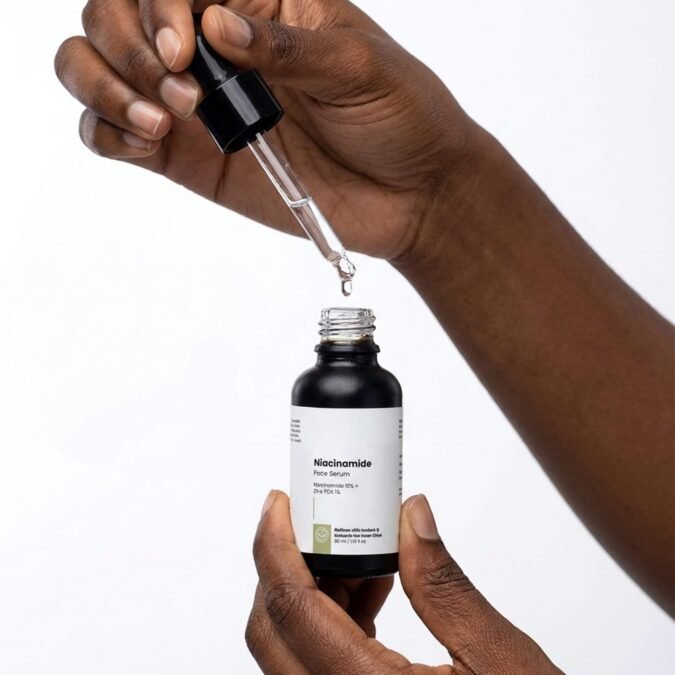 The third major anti-aging serum is Niacinamide, or Vitamin B3. It’s a water-soluble vitamin that works really well with your skin. Perhaps the best thing about Niacinamide is how stable it is as an active ingredient.Unlike Vitamin C, Niacinamide doesn’t degrade quickly when exposed to light and air. As a result, it’s also easier to formulate into a wide array of different skincare products.Niacinamide works to improve the look of your skin by strengthening the skin’s barrier function. It stimulates production of ceramides and other lipids to help improve the skin’s defensive layer. This improved barrier function provides better protection against moisture loss and protects against irritation from environmental stressors. This is particularly beneficial for individuals suffering from redness, and those suffering from rosacea. The improved skin barrier function created by Niacinamide will help to combat dryness and flakiness.Niacinamide also makes an excellent choice for people who suffer from oily or acne-prone skin. This is because it is able to control the amount of oil that your skin produces, which in turn means that it is able to stop your pores from clogging with excess oil. It is also able to reduce the appearance of pores on the face and to smooth out rough and. uneven skin. Finally, it is able to clear up post-acne marks and to prevent future breakouts from occurring, without causing any irritation to the skin.
 To make a decision about which to use, it is useful to look at the characteristics of each and compare them against your own skin type and the common skin problems listed above.
 Both Niacinamide and Vitamin C are often used in skincare products but a common myth has existed that they can cancel each other out or even cause redness and flushing due to pH conflicts. This is completely false, and in recent years. a huge amount of science has actually proven that this can in fact be one of the most powerful combinations in skincare for brightening and anti-aging.While Vitamin C can help brighten the skin and provide protection against environmental aggressors, Niacinamide can help combat redness and help strengthen the skin’s barrier. Layering Vitamin C in the morning under a broad spectrum sunscreen can provide the best protection against environmental stressors while applying a Niacinamide serum or moisturizer at night can help to strengthen and soothe the skin. Modern formulations now also exist that combine the two active ingredients in safe percentages to help create the ultimate glow for the skin.

