


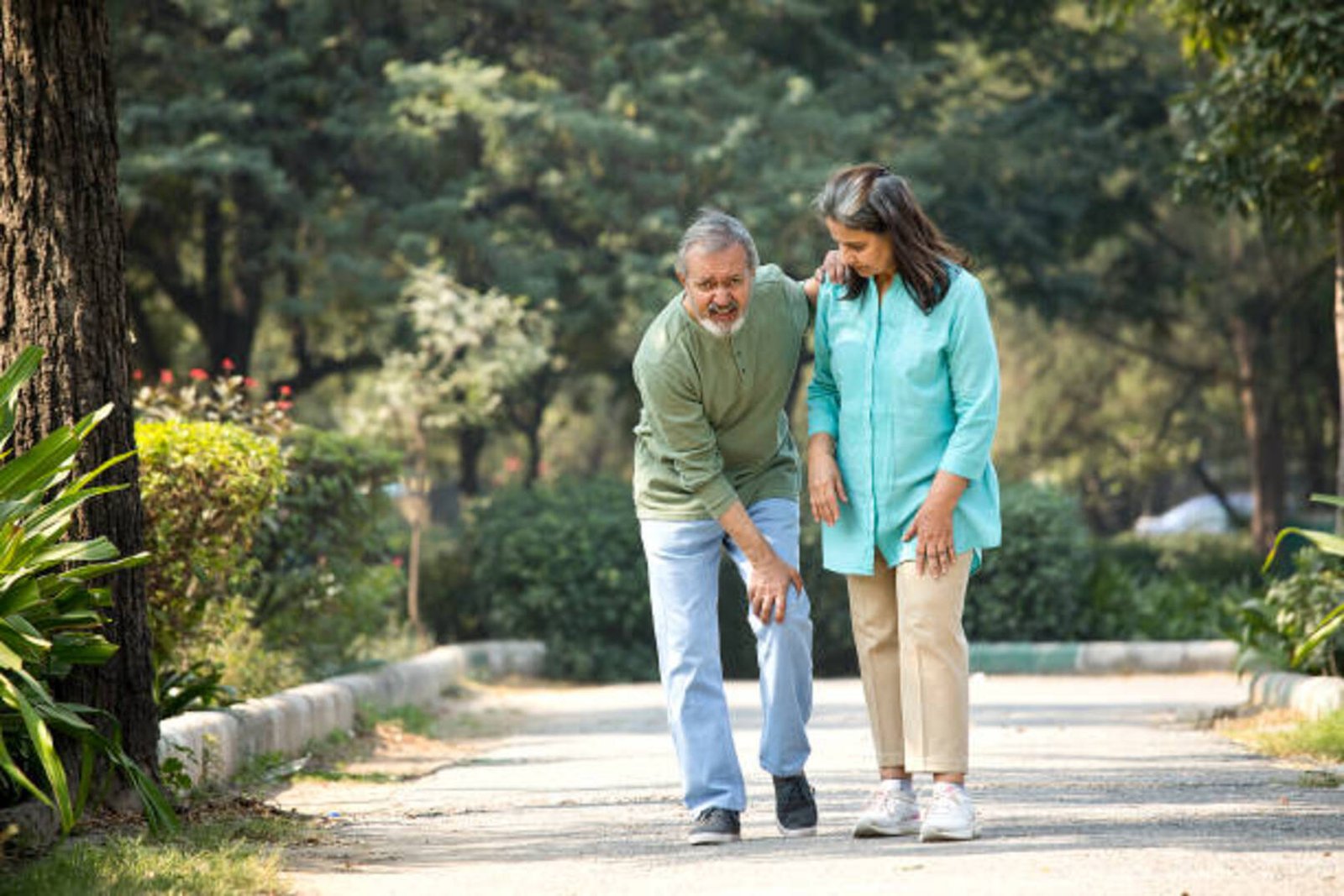

Let’s be honest: most of us don’t think about our knees until they start “talking” to us. Whether it’s a sharp protest when you’re walking down the stairs, a dull ache after a weekend hike, or that unsettling “giving way” sensation during a workout, knee instability can make the world feel like a much less certain place.
If you’ve ever felt like your knees are a bit “wobbly” or untrustworthy, you aren’t alone. The good news is that the knee doesn’t live in a vacuum. It’s a hinge joint caught in the middle of a tug-of-war between your hips and your ankles. By focusing on exercises for knee stability, we aren’t just working on the joint itself—we’re training the entire support system around it to act like a high-end suspension system for your body.
Here is a guide to regaining that rock-solid feeling in your legs, written for real people with real schedules.Z
Why “Stability” is Different from “Strength”: Exercises for Knee Stability
Before we dive into the movements, let’s clear one thing up. You can have incredibly strong quads and still have unstable knees.
Strength is about force—how much weight you can push. Stability is about control. It’s the ability of your muscles, ligaments, and nervous system to keep the joint in right alignment. Stability is what keeps your knee from caving inward (valgus) when you land from a jump or trip on a curb.
To fix it, we have to wake up the “sleeper” muscles—the glute medius, the VMO (that teardrop muscle above your knee), and the stabilizers in your ankles.
Phase 1: The “Wake Up” Call (Low Impact)
If your knees feel fragile right now, don’t start with jumping lunges. Start by taleking to the muscles that have gone quiet.
1. The Quad Set (The Teardrop Wake-up)
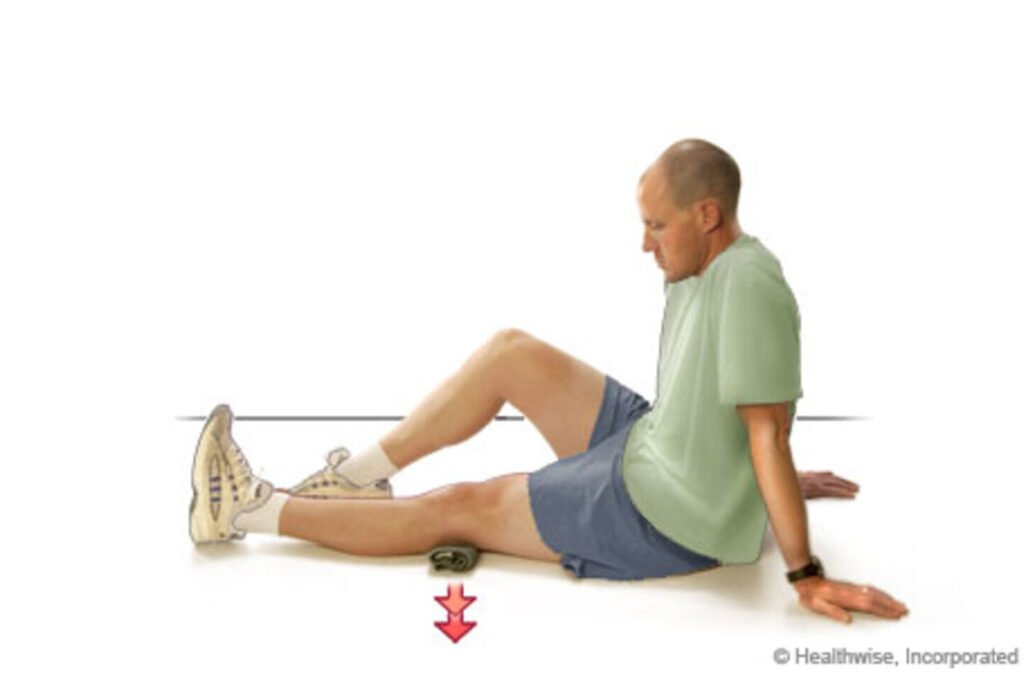
This looks like you’re doing nothing, but it’s the foundation of knee health. It targets the Vastus Medialis Obliquus (VMO), which is responsible for tracking your kneecap correctly.
- How to do it: Sit on the floor with your legs straight. Place a small rolled-up towel under your knee. Squeeze your thigh muscle to push the back of your knee down into the towel.
- The Feeling: You should see that muscle just above the inside of your kneecap pop up. Hold for 5 seconds and repeat.
2. Glute Bridges
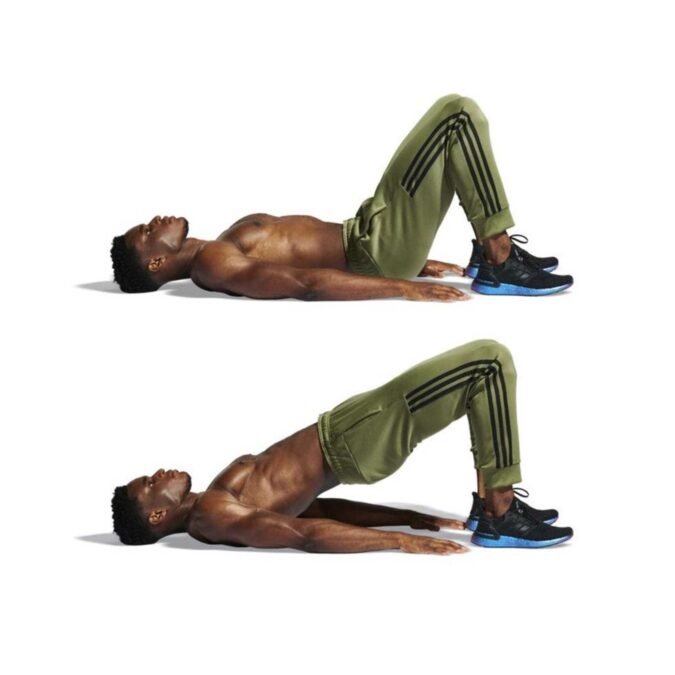
Strong glutes are a knee’s best friend. When your butt muscles are weak, your thighs rotate inward, putting a twisting strain on the knee.
- How to do it: Lie on your back, knees bent, feet flat. Drive through your heels to lift your hips toward the ceiling.
- The Human Touch: Don’t just mindlessly lift. Imagine you are trying to pull your heels toward your butt without actually moving them. This “pre-activation” makes your hamstrings and glutes fire twice as hard.
Phase 2: Building the Foundation (Functional Stability)
Once the muscles are awake, we need to move. These exercises for knee stability focus on controlled, slow movement.
3. The “Clamshell” (Hip Stability) wp
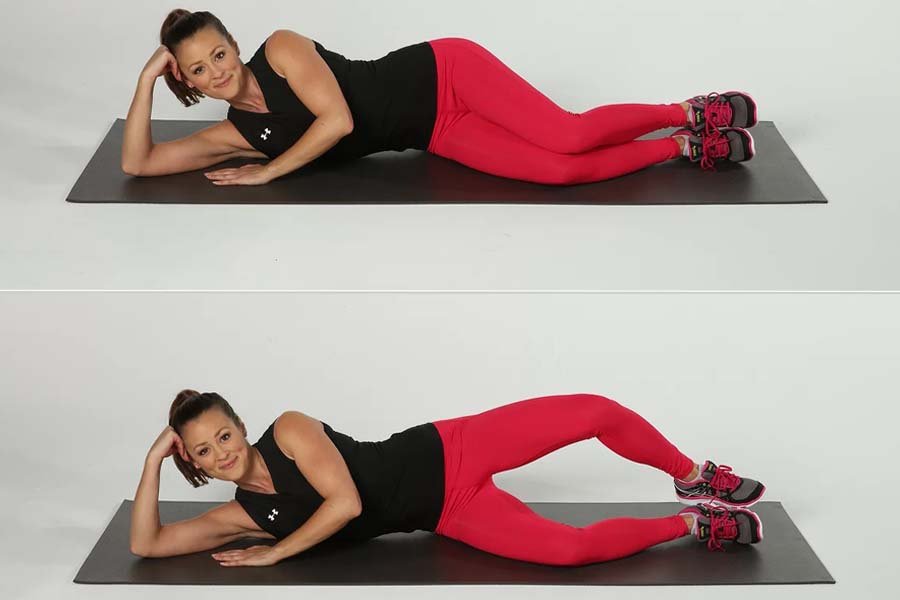
It looks like a 1980s aerobics move, but physical therapists swear by it. It strengthens the hip abductors, which prevent your knees from knocking together.
- How to do it: Lie on your side with knees bent. Keep your feet together and lift your top knee like a clam opening its shell.
- The Cheat: Most people tip their hips backward to get the leg higher. Don’t do that. Even a tiny, 3-inch movement is better than a big, “cheated” one.
4. Step-Ups (The Controlled Descent)
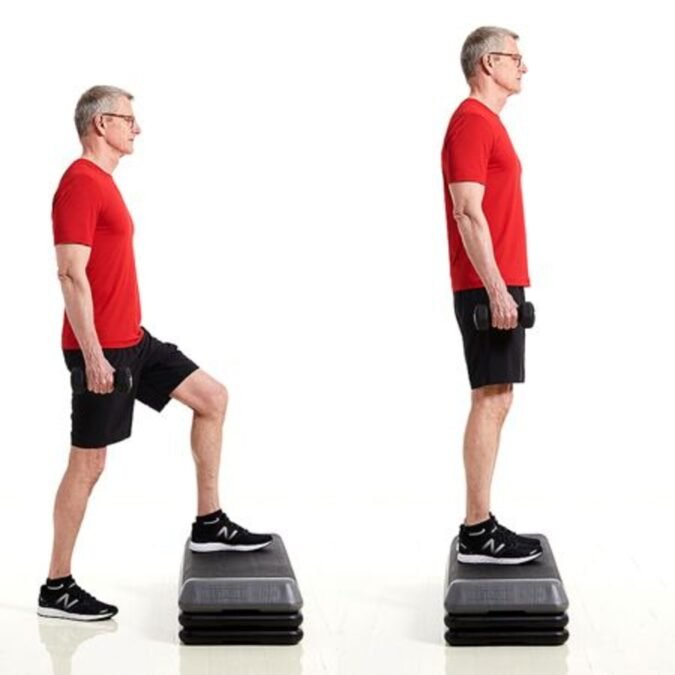
Going up the stairs is rarely the problem; it’s coming down that hurts. Step-ups train the “braking” system of your knee.
- How to do it: Find a low step. Step up with your right foot, but focus all your mental energy on the way back down.
- The Secret Sauce: Lower yourself as slowly as possible. Try to make your foot land silently. If you “plop” down, your muscles aren’t in control yet.
Phase 3: The “Real World” Challenge (Balance & Proprioception)
In the real world, we move on one leg at a time. Walking is essentially a series of tiny, one-legged balances.
5. Single-Leg Stance (The “Toothbrush” Exercise)
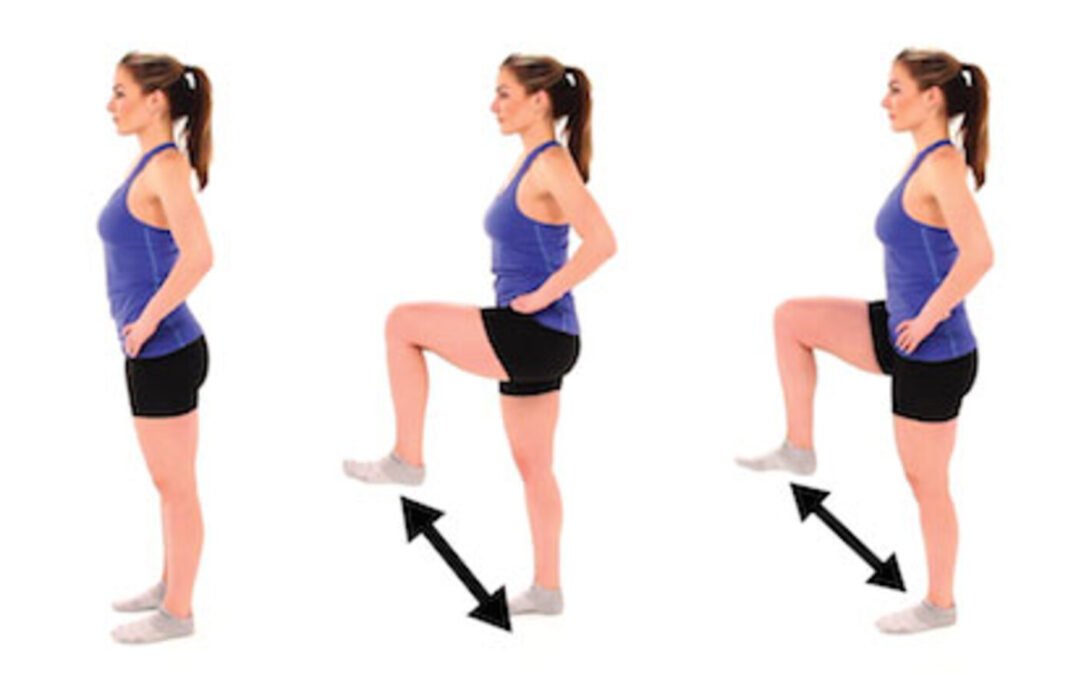
This is the ultimate low-maintenance stability builder. It trains your brain to communicate with your ankle and knee.
- How to do it: Stand on one leg. That’s it.
- Make it harder: Try doing it while brushing your teeth, or close your eyes. When you close your eyes, you remove visual data, forcing your knee’s internal “position sensors” (proprioceptors) to work overtime.
6. Bulgarian Split Squats
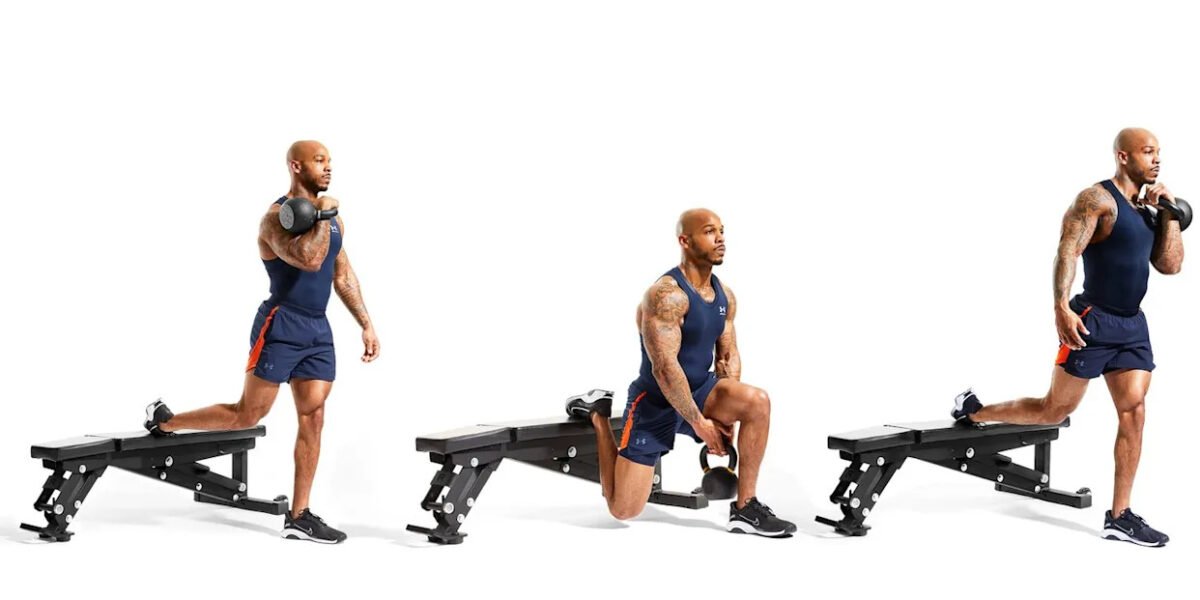
This is a “love to hate” exercise. It forces each leg to take full responsibility for its own stability.
- How to do it: Stand a couple of feet in front of a chair or bench. Reach one foot back and rest the top of it on the bench. Squat down with your front leg.
- Why it’s great: Because your back foot is elevated, you can’t “lean” on your good side. It exposes exactly where your knee wants to wobble, giving you a chance to correct it in real-time.
Phase 4: The Lateral Plane (Side-to-Side Strength)
Humans mostly move forward and backward, but injuries often happen when we move sideways.
7. Lateral Band Walks
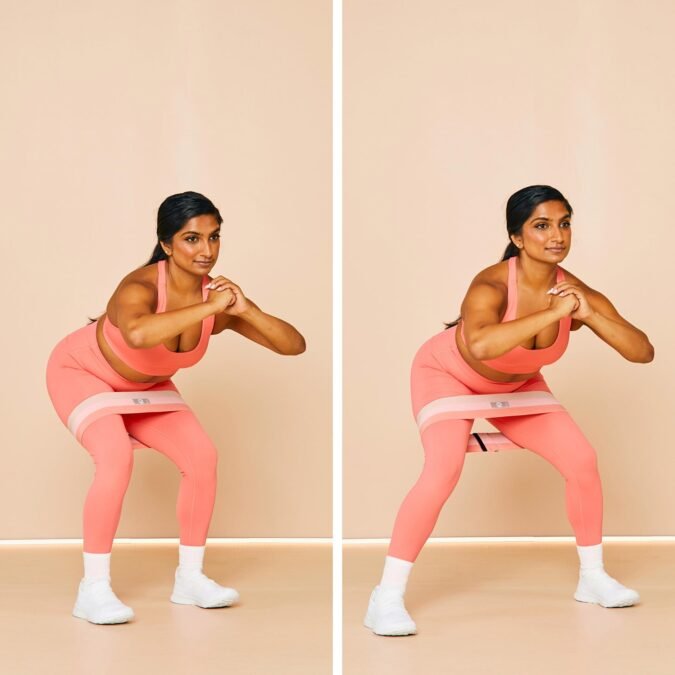
If you have a resistance band, put it around your ankles (or just above your knees). Take small, deliberate steps to the side in a slight “ready” stance.
- The Goal: Keep your knees pushed out over your toes. Don’t let the band snap your knees inward. This builds the “outer wall” of your leg strength.
Putting it All Together
You don’t need a gym or two hours of free time. You can weave these exercises for knee stability into your daily life.
- Morning: 20 Quad sets while drinking coffee.
- At the Gym/Home Workout: 3 sets of 12 Glute Bridges and 10 Bulgarian Split Squats.
- Evening: Single-leg balance while brushing your teeth.
A Note on “Good” vs. “Bad” Pain
When you’re working on knee stability, you might feel some discomfort. That’s usually okay. It’s the “muscle burn” or the effort of a joint learning to stabilize.
However, if you feel a sharp, stabbing pain, or if the joint feels like it’s “locking up,” stop immediately. Stability is built through gradual, consistent pressure, not by “powering through” a possible injury.
Be Patient with Your Body
Knee stability isn’t something you “fix” once and forget. It’s more like a garden—it needs regular tending. The beauty of these exercises is that they don’t just protect your knees; they make you a better runner, a more confident hiker, and someone who can sit down on the floor to play with their kids (and get back up!) without a second thought.
Start where you are. Even if you only do the single-leg balance today, you’re telling your body that you want to stand on solid ground. Your knees will thank you in ten years.
How long have you been feeling a lack of stability in your knees, or was there a specific incident that started it?

