



Choosing the right hair care routine can feel like a daunting task, especially when dealing with fine or thinning strands. While genetics, hormonal shifts, and lifestyle habits play a major role in hair density, the topical application of nutrient-dense oils can significantly improve the appearance of volume and overall scalp health.
When searching for the perfect hair oil for thin hair, the primary goal is to find formulas that nourish the follicles and strengthen the cuticle without weighing down the hair shaft. Thin hair is uniquely susceptible to looking “greasy” or “flat” if the wrong product is used. However, by selecting oils with the right molecular weight and nutrient profile, you can transform your hair care ritual into a powerful growth-stimulating regimen.
1. Coconut Oil: The Deep Penetrator
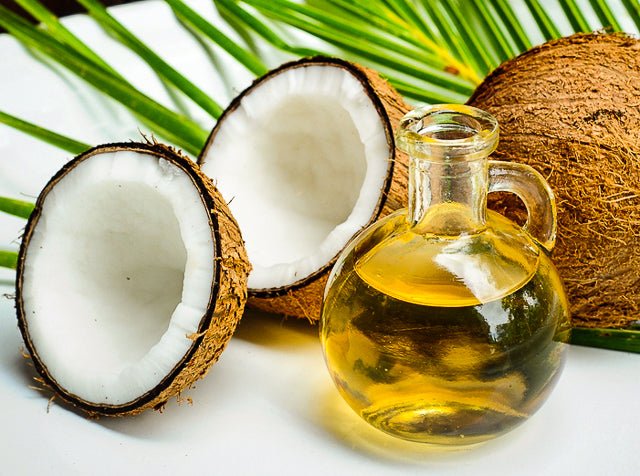
Coconut oil is a global staple for a reason. Unlike many synthetic conditioners that simply coat the hair to provide temporary slip, coconut oil is one of the few natural oils scientifically proven to penetrate the hair shaft deeply. For those with thin hair, this is crucial because it helps prevent protein loss—the leading cause of strands becoming even thinner and more brittle over time.
- Why it works: Rich in lauric acid, it has a high affinity for hair proteins. It binds to the structure of the hair, protecting the roots and strands from the mechanical stress of brushing and washing.
- Pro Tip: Use it sparingly as a pre-wash treatment. Applying a small amount to dry hair for 30 to 45 minutes before shampooing ensures you get the strength-building benefits without the post-wash limpness.
2. Amla Oil: The Vitamin C Powerhouse
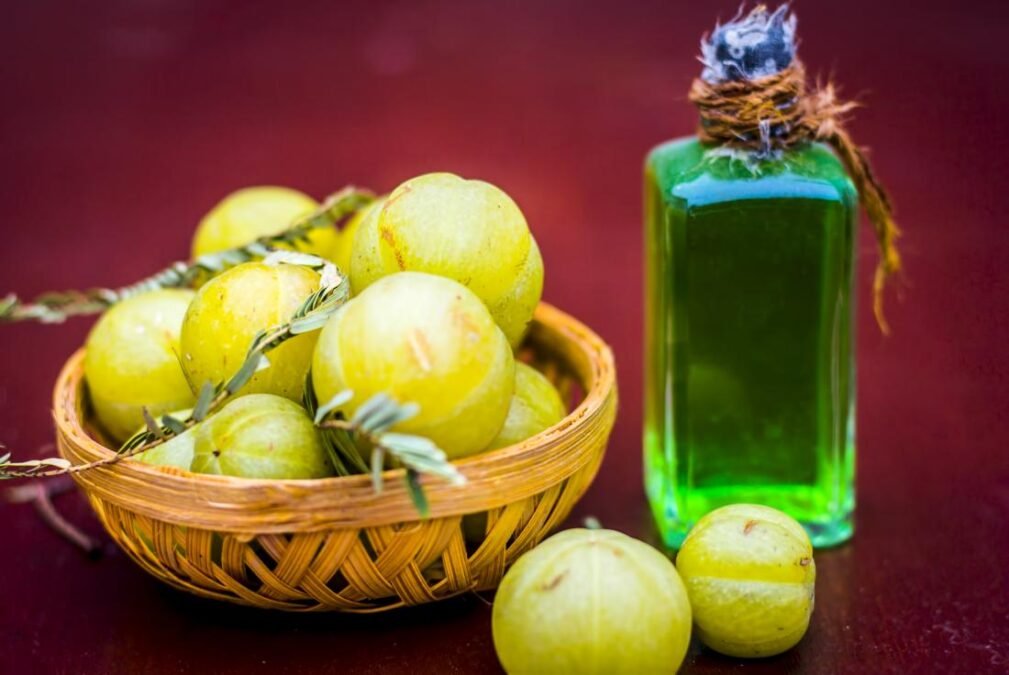
Derived from the Indian Gooseberry, Amla oil has been used for centuries in traditional practices to promote hair longevity and vitality. It is exceptionally high in Vitamin C and potent antioxidants, which are essential for neutralizing oxidative stress caused by pollution and UV rays—factors that can lead to premature thinning.
- Why it works: It acts as a natural conditioner and scalp tonic. Boosting blood circulation to the scalp through massage, it encourages a healthy environment for hair to grow thicker and darker.
- Best for: Individuals noticing premature graying and thinning hair, as Amla is traditionally used to maintain natural pigment.
3. Bhringraj Oil: The “King of the Hair“
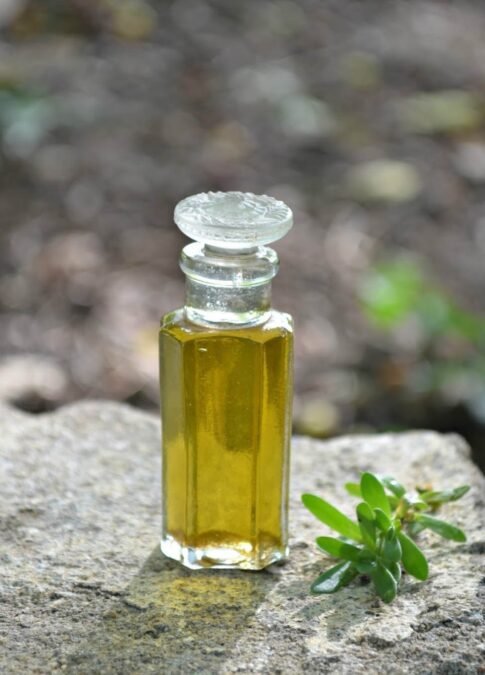
In Ayurvedic traditions, Bhringraj (Eclipta Alba) is famously known as the “King of Hair.” This oil is often the primary ingredient in intensive scalp treatments aimed at revitalizing dormant hair follicles and preventing excessive shedding.
- Why it works: It has a natural cooling effect on the scalp, which helps reduce stress-related hair fall. It is also believed to improve blood flow to the roots, providing the oxygen and nutrients necessary for increasing hair density over time.
- Application: Massage it into the scalp using firm, circular motions to activate the oil’s properties and encourage lymphatic drainage.
4. Jojoba Oil: The Sebum Mimicker
If you are worried about “greasiness” or “heaviness,” jojoba oil is your best friend. Technically, a liquid wax rather than an oil, its molecular structure is strikingly similar to the sebum naturally produced by our scalp. This makes it highly “biocompatible,” meaning it absorbs easily without leaving a thick residue.h
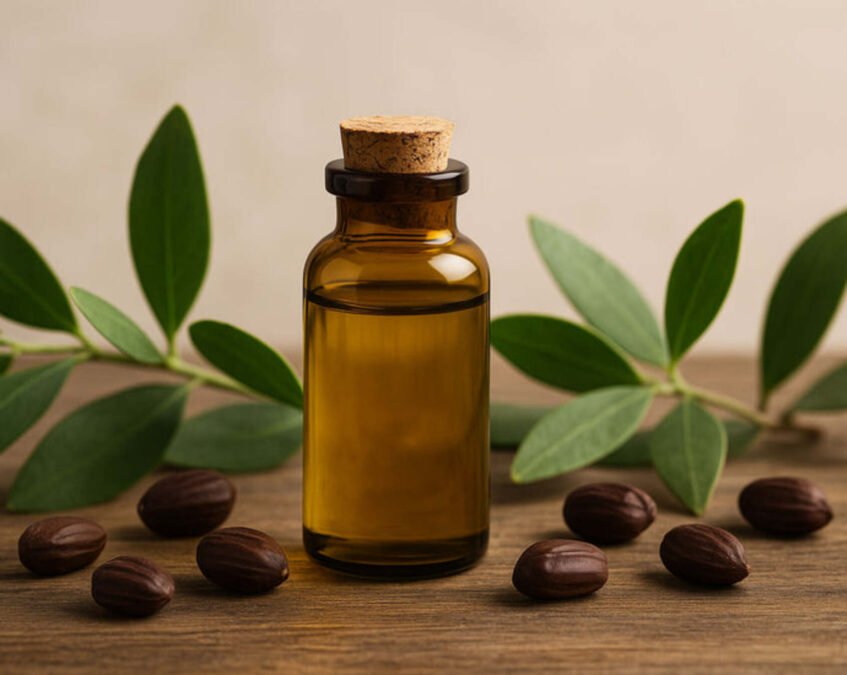
- Why it works: It helps regulate oil production. If your scalp is too oily, it can clog pores and stifle new hair growth; if it’s too dry, the hair becomes brittle. Jojoba balances both. It is an ideal hair oil for thin hair that needs hydration without the “flat” look.
- Best for: Balancing a combination scalp (oily roots and dry ends).
5. Argan Oil: Liquid Gold for Shine and Protection
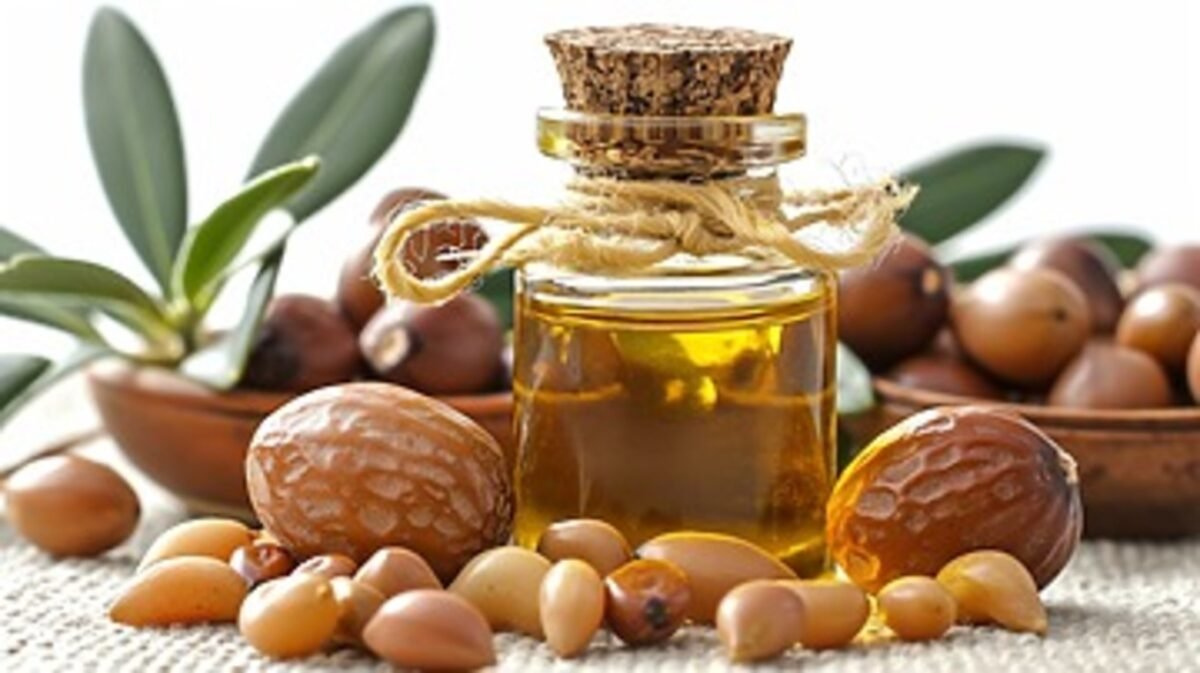
Often referred to as “liquid gold,” Argan oil is harvested from the kernels of the Argan tree native to Morocco. It is packed with Vitamin E, ferulic acid, and fatty acids that provide a protective, reflective layer to the hair.
- Why it works: It’s an excellent finishing oil. Thin hair often looks dull because light doesn’t reflect well off damaged or fine cuticles. Argan oil tames frizz and adds a healthy shine that makes thin hair look visually more vibrant and voluminous.
- Application: Rub just two drops between your palms and smooth them over the mid-lengths to ends of damp hair before styling.
6. Rosemary Oil: The Growth Stimulator
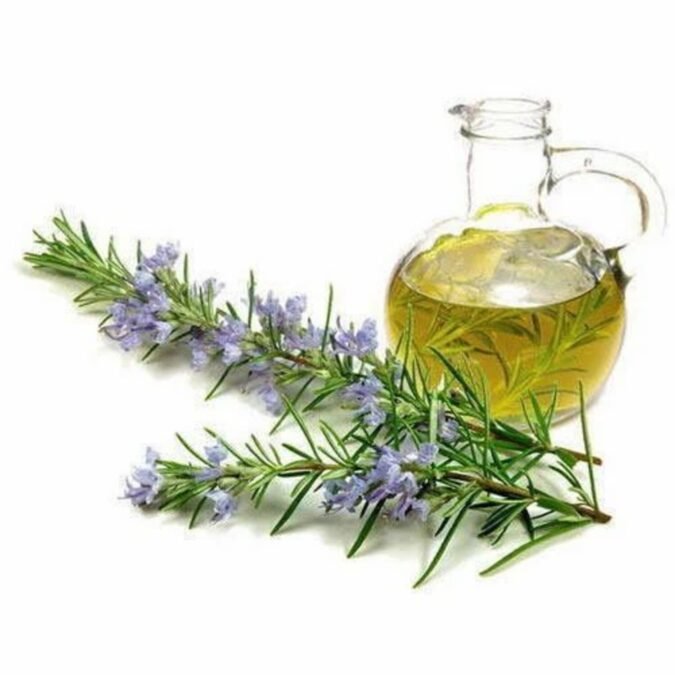
Rosemary oil has surged in popularity recently, and for good reason. Recent studies have suggested that its efficacy in promoting hair thickness and regrowth can be comparable to certain over-the-counter pharmaceutical treatments, but with a natural profile.
- Why it works: The active ingredients in rosemary, such as carnosic acid, have been shown to heal tissue and nerve damage in the scalp, which may improve cellular turnover and stimulate follicles.
- Important Note: Rosemary is a potent essential oil and must be diluted. Never apply it “neat” to the scalp. Mix 2–3 drops into a “carrier oil” like jojoba or almond oil before application.
7. Castor Oil: The Density Builder
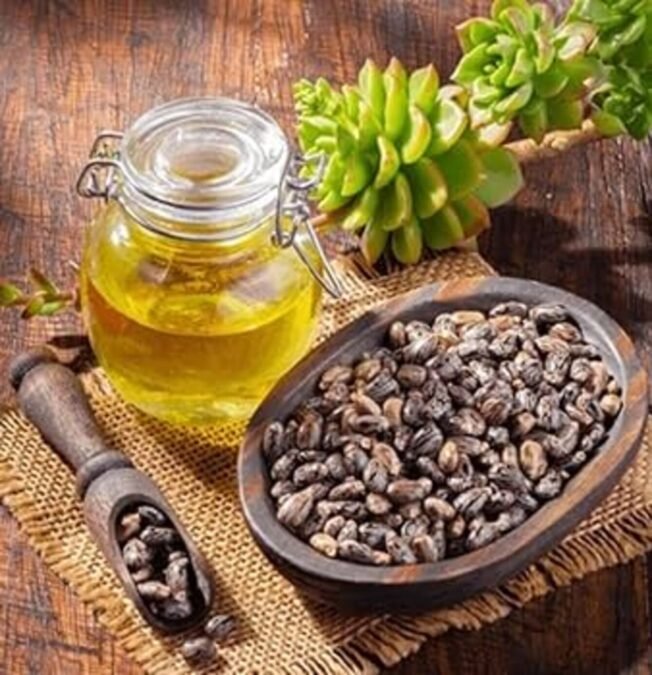
Castor oil is famous for its thick, viscous consistency. It is incredibly rich in ricinoleic acid, a type of fatty acid that has been shown to fight inflammation and promote a cleaner, healthier scalp.
- Why it works: It creates a significant protective barrier and is often used to make hair appear visually thicker instantly by coating each strand. Because it is humectant-rich, it draws moisture into the hair, preventing the “wispy” look common with thin hair.
- Pro Tip: Because it is very heavy, thin-haired individuals should mix it in a 1:3 ratio with a lighter oil (like grapeseed or sweet almond oil). This makes it much easier to distribute and wash out without needing harsh scrubbing.
How to Apply Hair Oil for Thin Hair
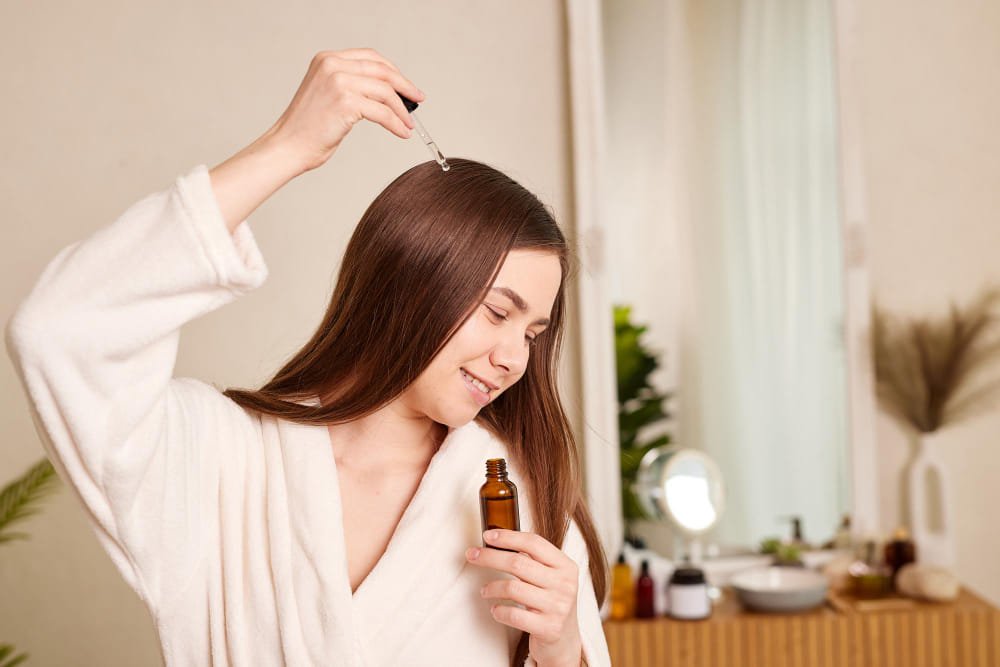
To get the most out of these oils without sacrificing your hair’s natural lift, follow these essential guidelines:
1. Focus on the Scalp, Not the Length
Most hair thinning issues are rooted in the follicle. When using a treatment oil like Bhringraj or Rosemary, focus your massage entirely on the scalp. For thin hair, you don’t always need to soak the entire length; the oil will naturally travel down the strand during the rinsing process.
2. The “Less is More” Philosophy
For fine textures, a teaspoon of oil is usually more than enough for a full treatment. If you over-apply, you will likely need to shampoo two or even three times to remove the residue. This excessive washing can wash off hair of its natural oils, leading to more damage and a “rebound” effect where the scalp produces even more oil.
3. Temperature Matters
Warm the oil slightly before application (lukewarm, never hot). Warm oil has a lower viscosity and therefore can effectively penetrate the scalp and hair cuticle. It also provides a relaxing, spa-like experience that can help lower cortisol levels—a known factor in hair thinning.
4. Consistency Over Quantity
You won’t see a change in hair density overnight. Hair growth cycles take months. Incorporate a dedicated scalp massage with your chosen hair oil for thin hair once or twice a week. Commit to this routine for at least three to six months to see a visible difference in the quality, strength, and resilience of your tresses.
Embracing the Ritual
While thin hair can be a source of frustration, it is also an opportunity to be more intentional with your self-care. By switching from synthetic, silicone-heavy products to these pure, botanical oils, you aren’t just masking the problem—you are feeding your hair the nutrients it needs to thrive. Whether you choose the balancing properties of Jojoba or the stimulating power of Rosemary, your journey to thicker, healthier hair begins with a single drop.


