




There is a specific kind of dread that sets in the moment you feel that first, subtle wave of unease. Maybe you’re settling into a window seat on a long-haul flight, or perhaps you’re looking out at the rolling blue swells from the deck of a ferry. For some, it happens on a winding mountain road or even just in the back of a rideshare. That cold sweat, the sudden mouth-watering, and the heavy weight in your stomach tell you one thing: motion sickness has arrived.
If you are one of the millions who suffer from this, you know it’s more than just a “tummy ache.” It’s an all-consuming experience that can turn a long-awaited vacation into a test of endurance. While over-the-counter medications are effective, they often come with a heavy price—extreme drowsiness that leaves you sleeping through the very scenery you traveled to see.

Fortunately, the earth and our own bodies offer a toolkit of solutions. Finding natural remedies for motion sickness isn’t just about avoiding chemicals; it’s about finding a way to stay present and comfortable without the “brain fog” of pharmaceuticals.
Understanding the “Why”: The Great Sensory Betrayal
Before we dive into the remedies, it helps to understand why this happens. Motion sickness is essentially a “disagreement” between your senses. Your inner ear (the vestibular system) feels the movement of the car or boat. But when you look at a phone or a book, your eyes tell your brain you are sitting still. This sensory conflict sends a red alert to your brain. Evolutionarily, your brain sees this mixed signal as an indication that you’ve ingested something toxic (like a poisonous berry), and performs the nausea response to “clear the system.” When you take natural remedies, you’re really addressing that internal alarm bell and attuning your senses, he says.
1. The Golden Root: Ginger’s Ancient Power

If there’s a king in the world of natural remedies for motion sickness, it’s got to be ginger. Ginger isn’t just an old-time folk remedy—it’s been used for thousands of years in traditional Chinese and Ayurvedic medicine, and modern science is catching up and validating the practice. Unlike drugs that affect the central nervous system, ginger acts upon the gastrointestinal system. It absorbs acids and blocks the signals to the brain that trigger the “urge to purge.”
- How to use it:Raw Ginger: Chewing on a small piece of fresh, peeled ginger is the most potent method.
- Tea: Brew a thermos of ginger tea (fresh slices steeped in hot water) to sip slowly throughout your journey.
- Crystallized Ginger: These are easy to carry in a pocket and provide a quick sugar boost along with the active gingerols.
- Capsules: For those who don’t like the spicy taste, 500mg to 1,000mg of powdered ginger root taken 30 minutes before departure can be a lifesaver.
2. The Power of Peppermint: More Than Just a Scent

Peppermint is the cooling, soothing sibling to ginger’s heat. While ginger handles the stomach, peppermint works beautifully on the muscles of the digestive tract and the overall sensory experience.
The menthol in peppermint acts as a mild anesthetic for the stomach lining. Even the scent alone can be enough to distract the brain from the nausea signals.
- How to use it: * Essential Oils: Keep a small vial of peppermint oil in your bag. Inhaling the scent directly from the bottle or placing a drop on a tissue can provide instant relief.
- Mints and Gum: The act of chewing or sucking on a mint can also help equalize the pressure in your ears, tackling two problems at once.
3. Acupressure: The P6 Point
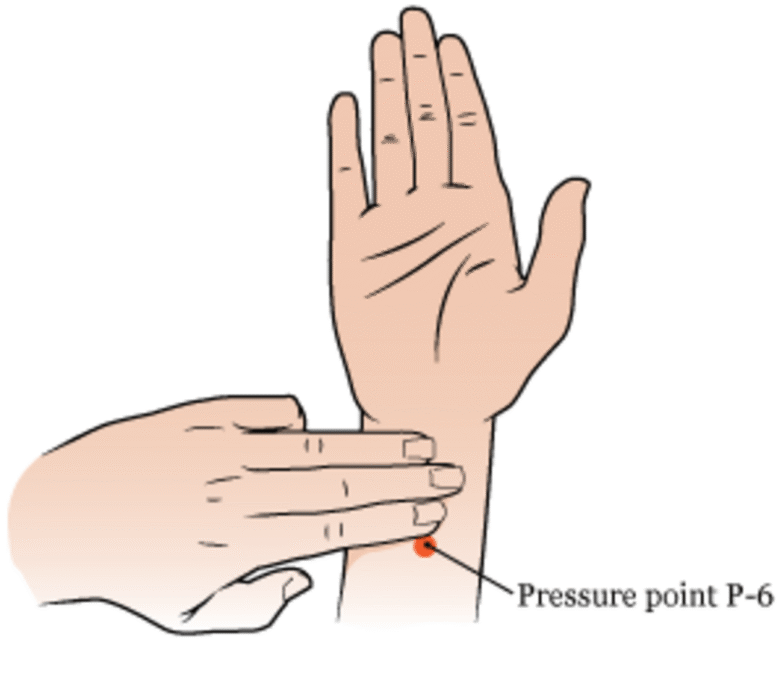
You may have seen people wearing elastic “Sea-Bands” on their wrists during cruises. These are based on the ancient practice of acupressure. Specifically, they target the Neiguan (P6) point.
Located about three finger-widths up from the crease of your inner wrist, between the two large tendons, this point is believed to regulate the flow of energy to the chest and stomach.
- How to do it: You don’t need a special band to do this. Use your thumb to apply firm, steady pressure to this spot on either wrist for two to three minutes while breathing deeply. It’s a discreet and effective way to manage a sudden wave of nausea in a public space.
4. The “Horizon Trick” and Environmental Control

Sometimes, the best natural remedies for motion sickness aren’t things you eat, but things you do. Since the problem is a sensory mismatch, we need to give the eyes the same information the inner ear is getting.
- Look Outward: Fix your gaze on the horizon. The horizon provides a stable, external reference point that tells your brain, “Yes, we are moving, and here is how.”
- Take the Wheel: Have you noticed that drivers rarely get car sick? That’s because the driver’s brain is anticipating every turn and stop, keeping the senses in sync. If you can’t drive, sit in the front passenger seat.
- Fresh Air: Stuffy, recycled air or strong odors (like a car air freshener or someone’s lunch) can be the “tipping point” for nausea. Crack a window. The cool breeze on your face provides a different sensory input that can interrupt the nausea cycle.
5. Lemon and Citrus: The Olfactory Reset

There is something instinctively refreshing about the scent of a sliced lemon. Citrus fruits contain citric acid, which can help settle a rolling stomach, but the real magic is in the zest.
- The Peel Technique: If you’re feeling ill, scratch the peel of a lemon or orange and inhale deeply. The bright, sharp scent can cut through the “heaviness” of motion sickness.
- Lemon Water: Squeezing fresh lemon into your water bottle provides a gentle way to stay hydrated without the bloat that plain water sometimes causes when you’re nauseous.
6. Mind over Movement: The Power of Distraction

When we feel sick, we tend to hyper-focus on every gurgle and dizzy spell, which only makes it worse.
- Audiobooks and Music: Reading is a big no-no for the motion-sick traveler, but listening is perfect. It keeps your eyes on the horizon while your mind is occupied elsewhere.
- Controlled Breathing: Focus on slow, rhythmic breathing—inhaling through the nose for four seconds and exhaling through the mouth for six. This activates the parasympathetic nervous system, which counteracts the “fight or flight” stress response that nausea creates.
7. Strategic Snacking: The Empty vs. Full Debate

Traveling on a completely empty stomach is often just as bad as traveling on one that’s too full. Gastric acid sloshing around in an empty stomach can actually trigger nausea.
- What to eat: Focus on “B.R.A.T.” foods (Bananas, Rice, Applesauce, Toast) or simple crackers. Dry, bland, and salty crackers help absorb excess stomach acid.
- What to avoid: Skip the heavy, greasy fast food at the rest stop. High-fat and spicy foods take longer to digest and are much more likely to make an “unplanned reappearance.”
A Final Thought: Listen to Your Body
Start your remedies 30 to 60 minutes before you even step into the vehicle. Think of it as “pre-coating” your system with calm. By combining these natural approaches—perhaps some ginger tea, a peppermint sniff, and a seat by the window—you can reclaim your love for travel. The world is too beautiful to see through the haze of a dizzy spell.
- Motion sickness is deeply personal. What works for a sailor might not work for someone in the back of a van. The key to successfully using natural remedies for motion sickness is to be proactive. Don’t wait until you’re clutching the seat and turning green to reach for the ginger.
Safe travels, and may your next journey be as smooth as the horizon you’re watching.

